Science News
 American
Science News for 25 September 2025
American
Science News for 25 September 2025
Scientific breakthrough leads to 'fluorescent biological qubit' - it could mean turning your cells into quantum sensors
Live Science - 25 Sep 2025 12:00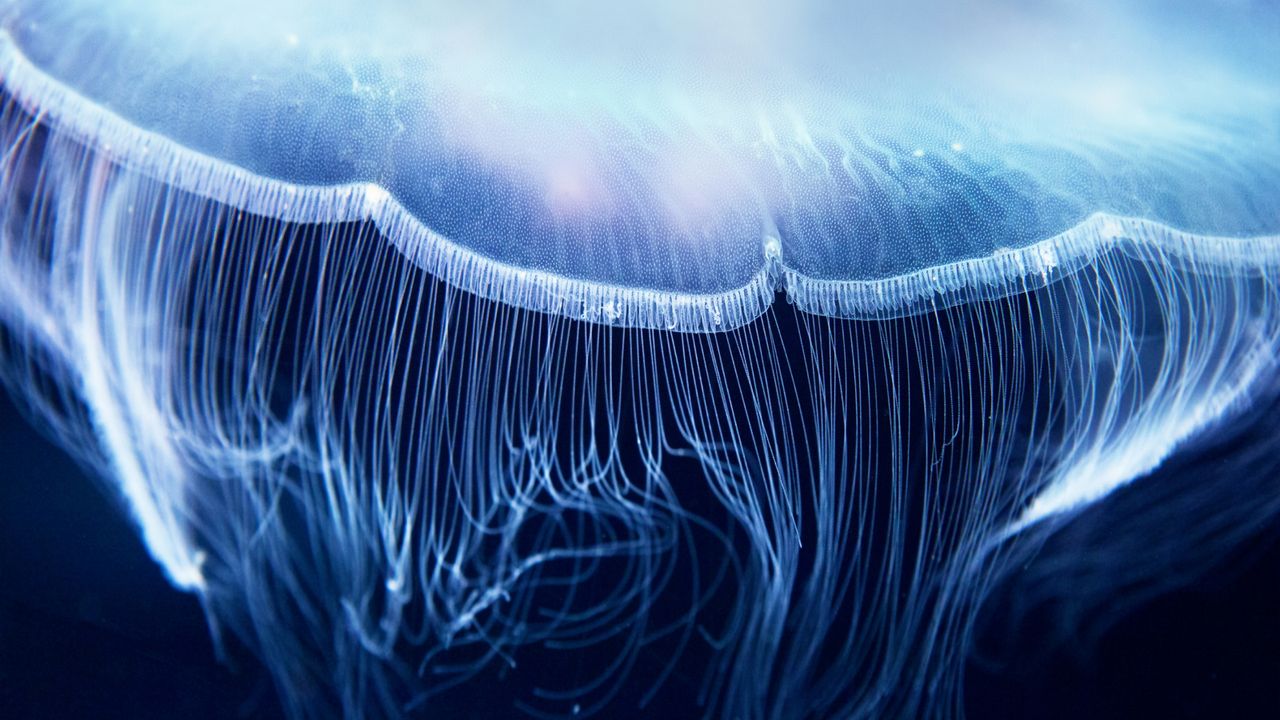 Fluorescent proteins can be turned into qubits within cells and could give us a deeper understanding of biology at the nanoscale level.
The surprising new particle that could finally explain dark matter
Science Daily - 25 Sep 2025 23:01
Physicists are eyeing charged gravitinos-ultra-heavy, stable particles from supergravity theory-as possible Dark Matter candidates. Unlike axions or WIMPs, these particles carry electric charge but remain undetectable du...
Cambridge scientists created a gel that could end arthritis pain
Science Daily - 25 Sep 2025 22:26
Cambridge scientists have created a breakthrough material that can sense tiny chemical changes in the body, such as the increased acidity during an arthritis flare-up, and release drugs exactly when and where theyre need...
Rare wampum beads discovered at 17th-century colony in Newfoundland
Live Science - 25 Sep 2025 20:08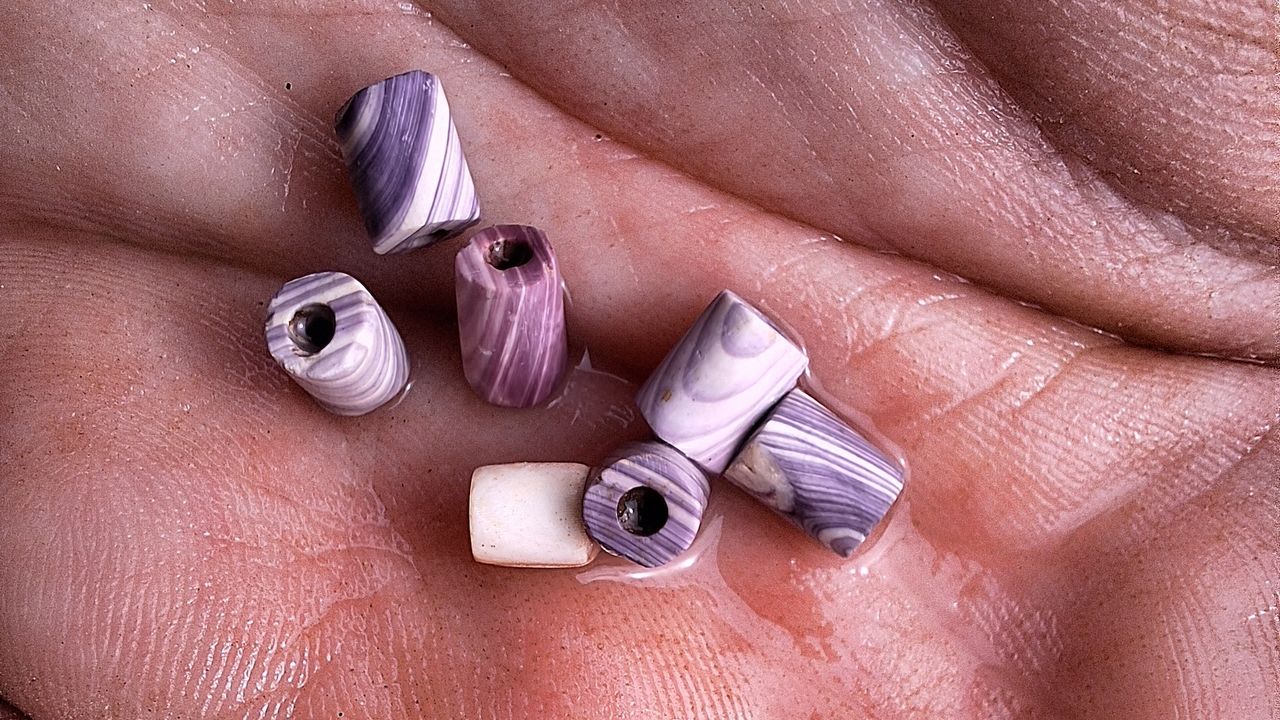 Archaeologists in Newfoundland have discovered seven tiny beads known as wampum that are made from seashells. They may be the first ever found in the province.
Reconstructed skull gives surprising clues to our enigmatic Ancestor X
New Scientist - 25 Sep 2025 20:00
The shared ancestor of our species, the Neanderthals and the Denisovans may be far older than we thought - which could completely change our understanding of humanity's evolution
Infant Brain Gene Regulator May Predispose Adults to Dementia
Neuroscience News - 25 Sep 2025 19:38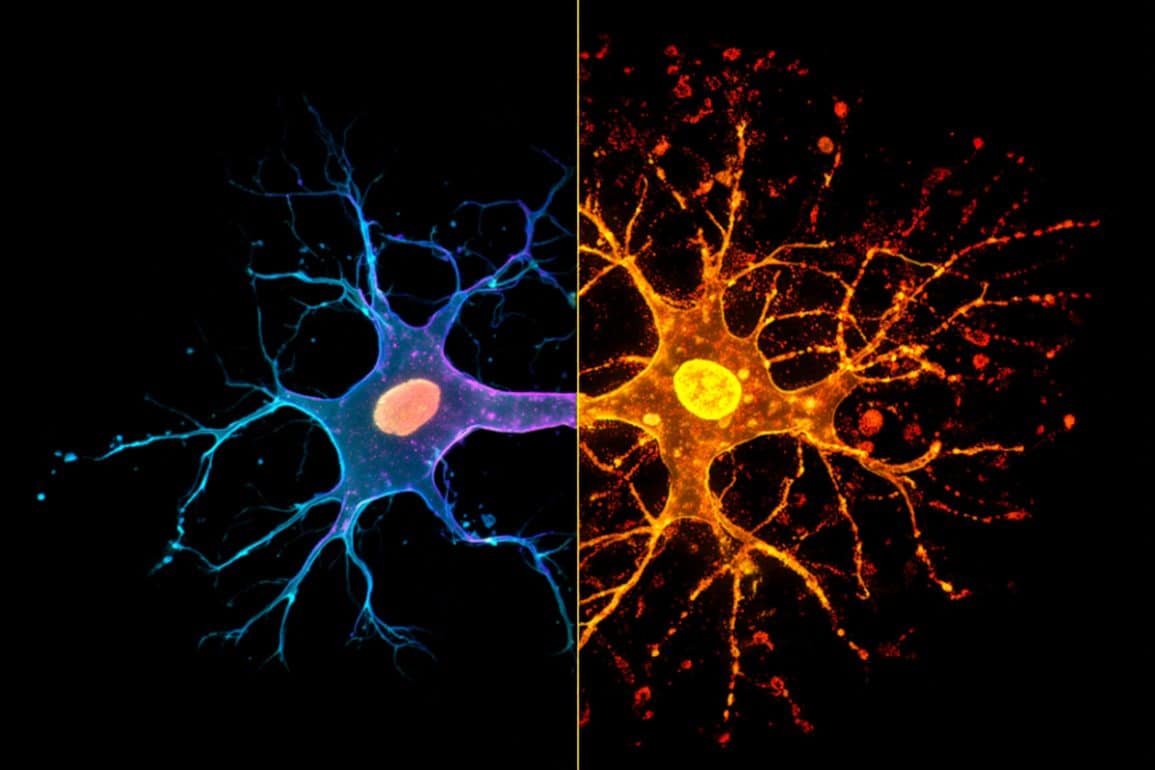 A new study reveals that the brains vulnerability to disorders like multiple sclerosis and dementia may begin in early life. Researchers identified a developmental switch in astrocytes, the brains support cells, governed...
1 million-year-old skull from China holds clues to the origins of Neanderthals, Denisovans and humans
Live Science - 25 Sep 2025 18:00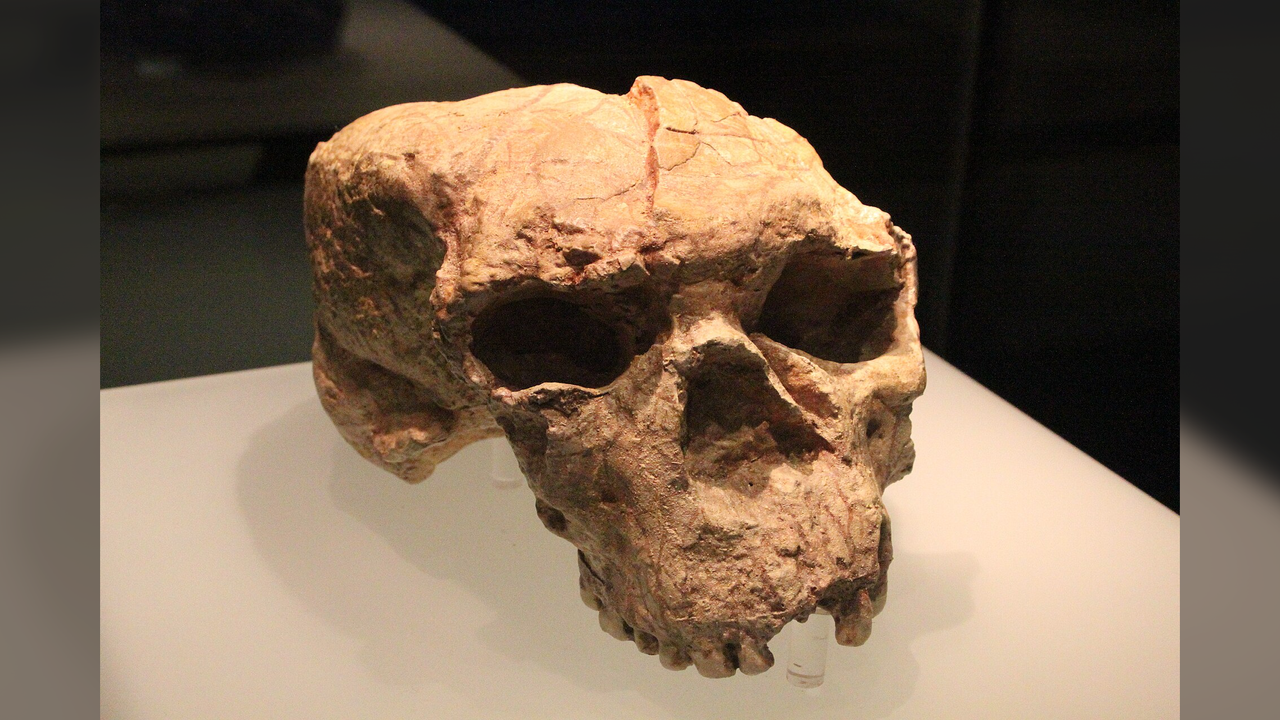 Reconstruction of a 1 million-year-old skull shows that early human groups split and diversified quickly.
Dopamine Links Social Isolation to Brain Myelin Damage
Neuroscience News - 25 Sep 2025 17:56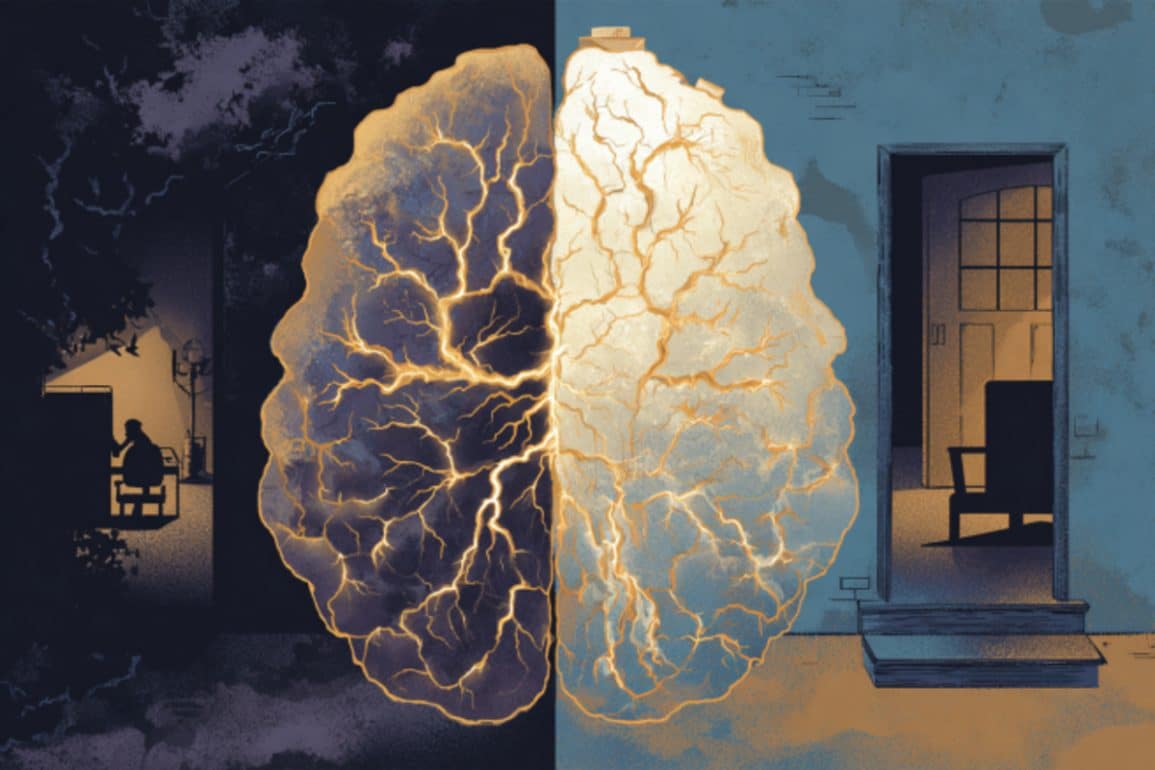 A new five-year study explores how dopamine may drive changes in brain myelin during social isolation. Researchers will track how dopamine interacts with oligodendrocytes, the cells responsible for producing myelin and s...
Postpartum Depression and Psychosis Risks Surge After Childbirth
Neuroscience News - 25 Sep 2025 17:32 A large Swedish study of 1.8 million pregnancies found that mental ill health around pregnancy has risen in recent years, with risks spiking after childbirth. While depression and psychosis rates drop during pregnancy, p...
Nanoparticles may be the secret ingredient in making ultimate plastics
New Scientist - 25 Sep 2025 15:41
Mixing nanoparticles into some common plastics made them harder to break and possibly easier to process, pointing towards a way to make better materials or packaging
Preserving particle physics data ensures future discoveries from collider experiments
Phys.org - 25 Sep 2025 14:56
A lot of the science from our accelerators is published long after collisions end, so storing experimental data for future physicists is crucial.
Proven quantum advantage: Researchers cut the time for a learning task from 20 million years to 15 minutes
Phys.org - 25 Sep 2025 14:55
Amid high expectations for quantum technology, a new paper in Science reports a proven quantum advantage. In an experiment, entangled light has allowed researchers to learn a system's noise with very few measurements...
Mystery creature found in 'forbidden cloud forest' of Peru is new species of marsupial
Live Science - 25 Sep 2025 14:49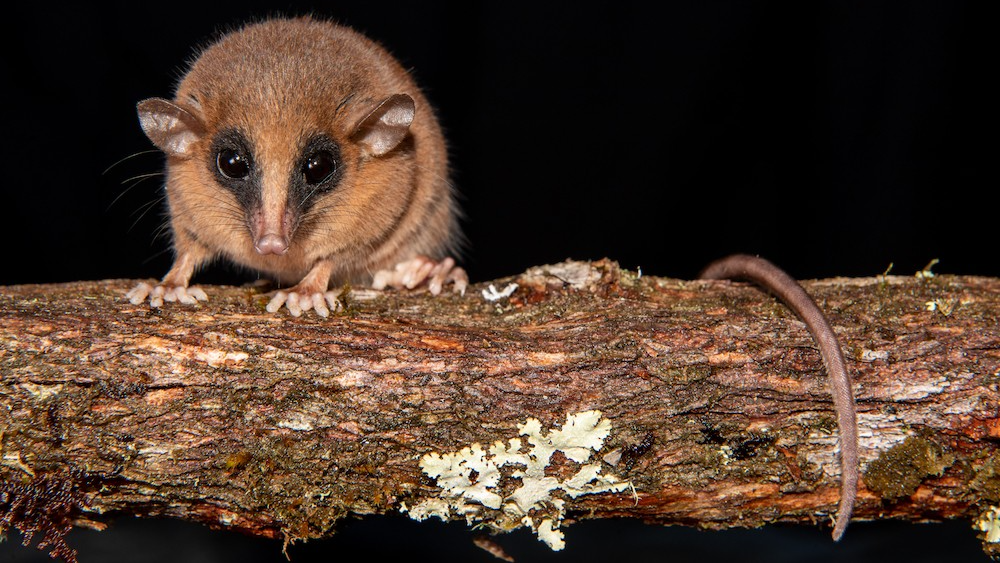 The newly described mouse opossum was discovered at a surprisingly high altitude in the Andes.
AI-Designed Viruses Are Replicating and Killing Bacteria
Singularity Hub - 25 Sep 2025 14:00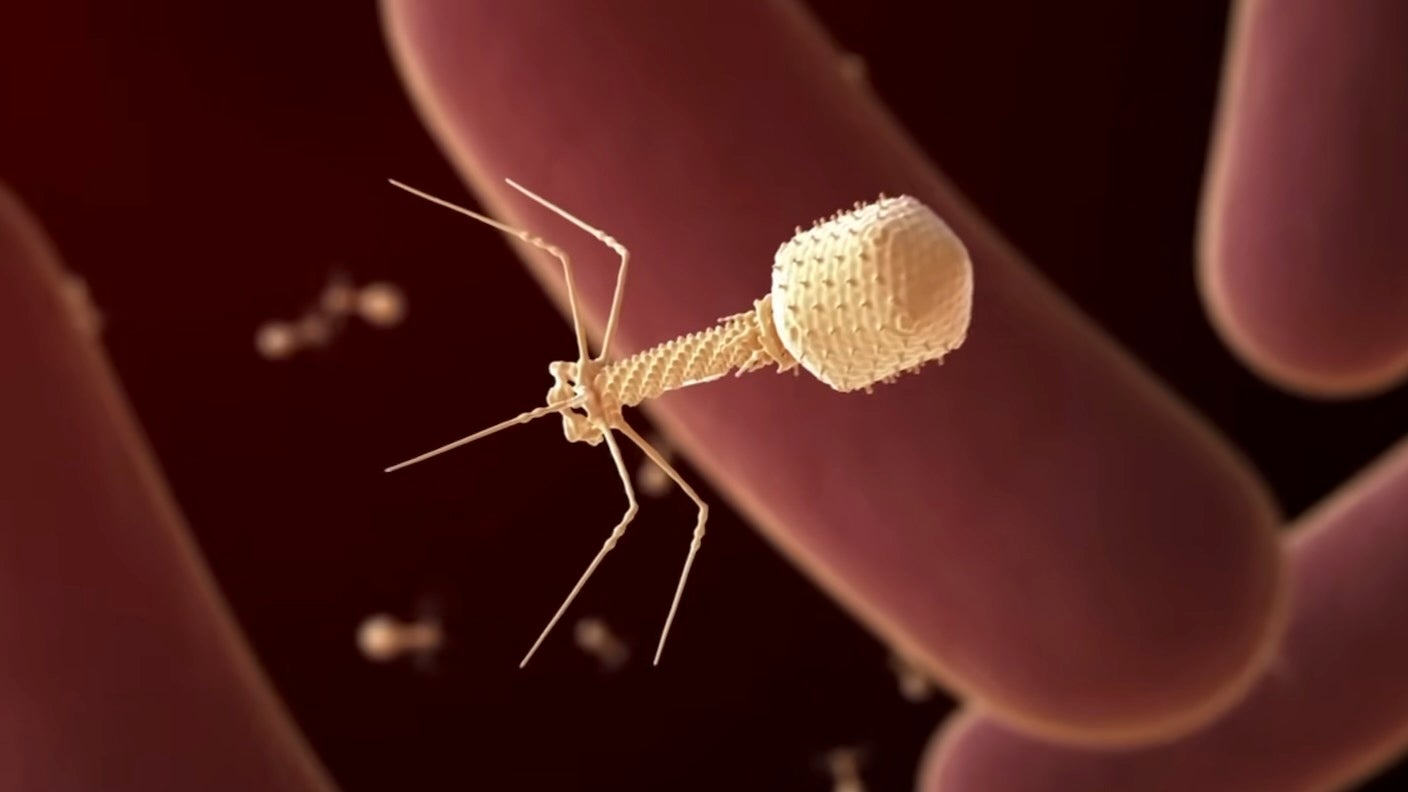 It's a first step toward AI-generated life forms. The post AI-Designed Viruses Are Replicating and Killing Bacteria appeared first on SingularityHub.
Cheetahs naturally turned into mummies in caves in Saudi Arabia
New Scientist - 25 Sep 2025 13:00
The constant temperature and low humidity of a cave network in Saudi Arabia turned cheetahs, some of which died thousands of years ago, into mummies
Gradient-doped crystal design enhances laser performance in dual-end pumping configuration
Phys.org - 25 Sep 2025 12:07
Recently, the research groups led by Prof. Zhang Qingli and Prof. Jiang Haihe from Hefei institutes of Physical Science (HFIPS) of Chinese Academy of Sciences (CAS) have jointly developed a high-symmetry gradient-doped N...
Weird glass in Australia appears to be from giant asteroid impact - but scientists 'yet to locate the crater'
Live Science - 25 Sep 2025 11:59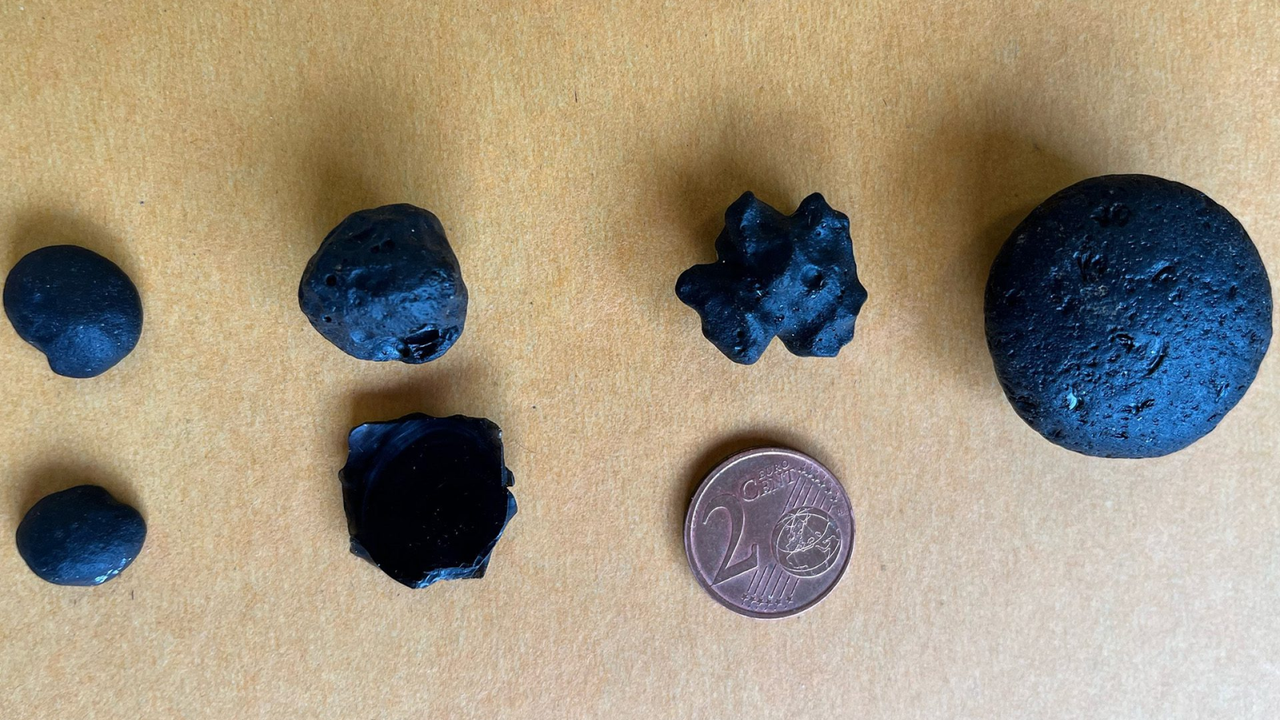 Strange glass strewn across southern Australia appears to be from a mystery asteroid impact 11 million years ago.
Fossil of huge penguin that lived 3 million years ago discovered in New Zealand - what happened to it?
Live Science - 25 Sep 2025 11:58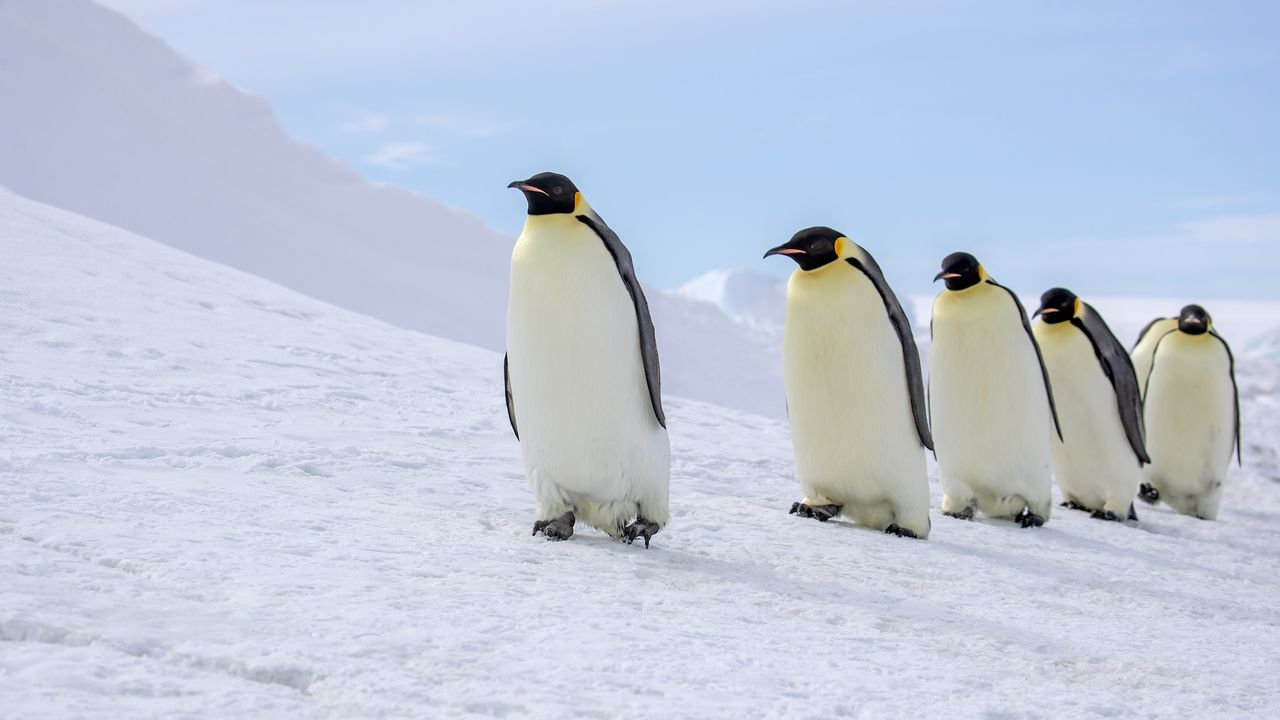 The newly-discovered penguin species went extinct when the ice age hit, but researchers don't think the cold was to blame for their demise.
Light-driven thermal barriers control fluid flow in three dimensions
Phys.org - 25 Sep 2025 11:57
Scientists at the Department of Applied Physics II of the University of Malaga have participated in the design of a new technology that controls fluids and particles in three dimensions through virtual thermal barriers g...
A new twist on Heisenberg's uncertainty principle can sharpen quantum sensors
Phys.org - 25 Sep 2025 11:47
For almost a century, Heisenberg's uncertainty principle has stood as one of the defining ideas of quantum physics: a particle's position and momentum cannot be known at the same time with absolute precision. The...
Quantum random number generator combines small size and high speed
Phys.org - 25 Sep 2025 11:14
Researchers have developed a chip-based quantum random number generator that provides high-speed, high-quality operation on a miniaturized platform. This advance could help move quantum random number generators closer to...
Climate change is making trees grow larger in the Amazon rainforest
New Scientist - 25 Sep 2025 11:00
Rising carbon dioxide levels have boosted the growth of trees in the Amazon rainforest over the past few decades, but it is unclear if this trend will continue
 Global
 Great Britain
 Indian
 South Africa