Science News
 American
Science News for 14 April 2026
American
Science News for 14 April 2026
Blood Test Predicts Alzheimers Years Before Scans
Neuroscience News - 14 Apr 2026 19:05 A blood test for pTau217 can predict Alzheimer's pathology and cognitive decline years before brain scans show abnormalities.
This common gout drug may slash heart attack and stroke risk
Science Daily - 15 Apr 2026 01:11
A major new study reveals that treating gout may do far more than ease painful joint flare-ups-it could also protect the heart. Researchers found that patients who took common gout medications like allopurinol and succes...
Scientists discover cleaner ants that groom giant ants in Arizona desert
Science Daily - 15 Apr 2026 01:01
In the Arizona desert, scientists have uncovered a bizarre and almost unbelievable partnership between ants: tiny cone ants acting as cleaners for much larger harvester ants. Instead of attacking, the smaller ants crawl ...
Minibrains Reveal Personalized Paths for Rett Syndrome
Neuroscience News - 14 Apr 2026 23:07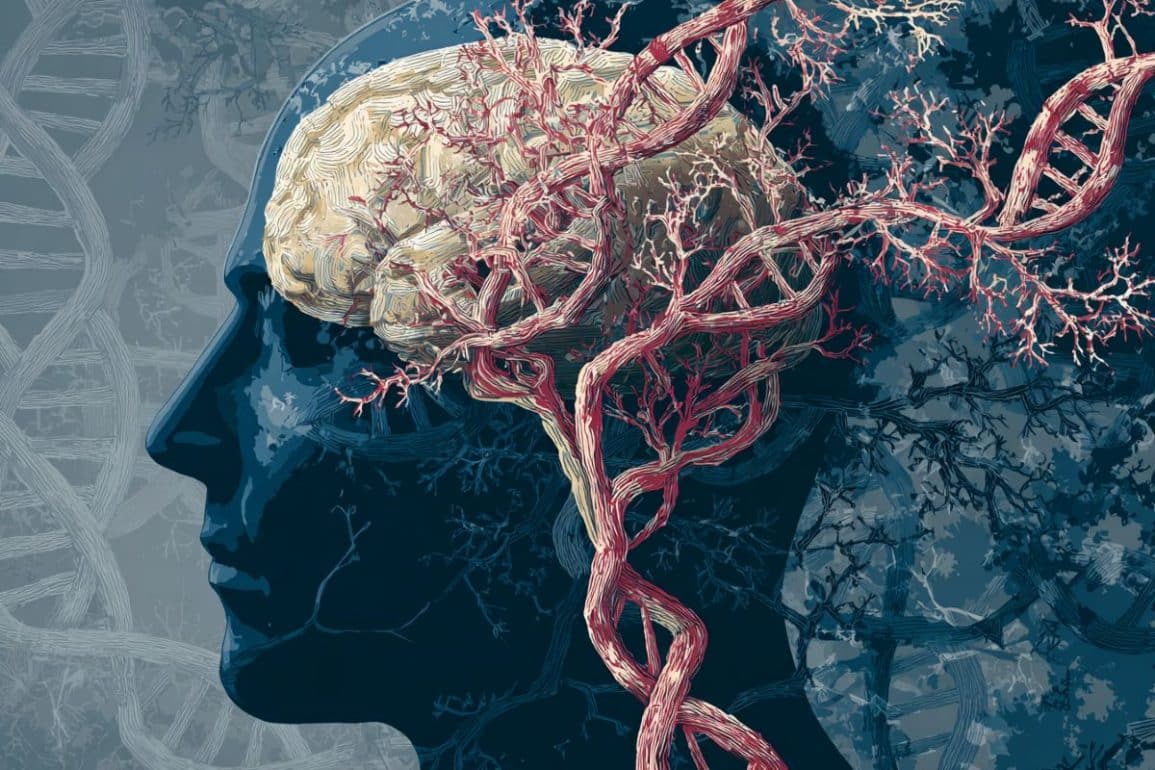 Neuroscientists used 3D "minibrains" to discover that different Rett syndrome mutations cause distinct brain abnormalities. The study reveals that personalized treatments, tailored to specific genetic mutations, ...
Is a super El Niño imminent, and what could the impacts be?
New Scientist - 14 Apr 2026 23:00
A planet-warming El Niño climate phase is now developing, and some models predict it could turn out to be the strongest on record
50-Millisecond Brain Filter That Decodes Odors
Neuroscience News - 14 Apr 2026 21:49 The brain identifies smells in just 50 milliseconds. The olfactory bulb uses "temporal filtering" to lock onto the first scent detected and block out background noise.
Beef is making a comeback - does it fit into a healthy diet?
New Scientist - 14 Apr 2026 21:41
The protein craze is in full swing and beef consumption is on the rise, particularly in the US, where health agencies are promoting red meat as part of an optimum diet. So, how much beef should we really be eating, and h...
Inhibitory Neurons Drive Rhythmic Movement
Neuroscience News - 14 Apr 2026 21:27 How do fruit flies move? A new study reveals that inhibitory neurons, traditionally seen as "brakes," coordinate the rhythmic grooming motions of Drosophila by toggling muscle inhibition.
Are Neanderthals descendants of modern humans?
New Scientist - 14 Apr 2026 21:24
The gap between genetics and archaeology leaves us with an unclear picture of where the Neanderthals originated. Columnist Michael Marshall details a surprising new hypothesis that suggests they may have come from us
One Shot Just Crushed Three Deadly Autoimmune Diseases
Singularity Hub - 14 Apr 2026 20:41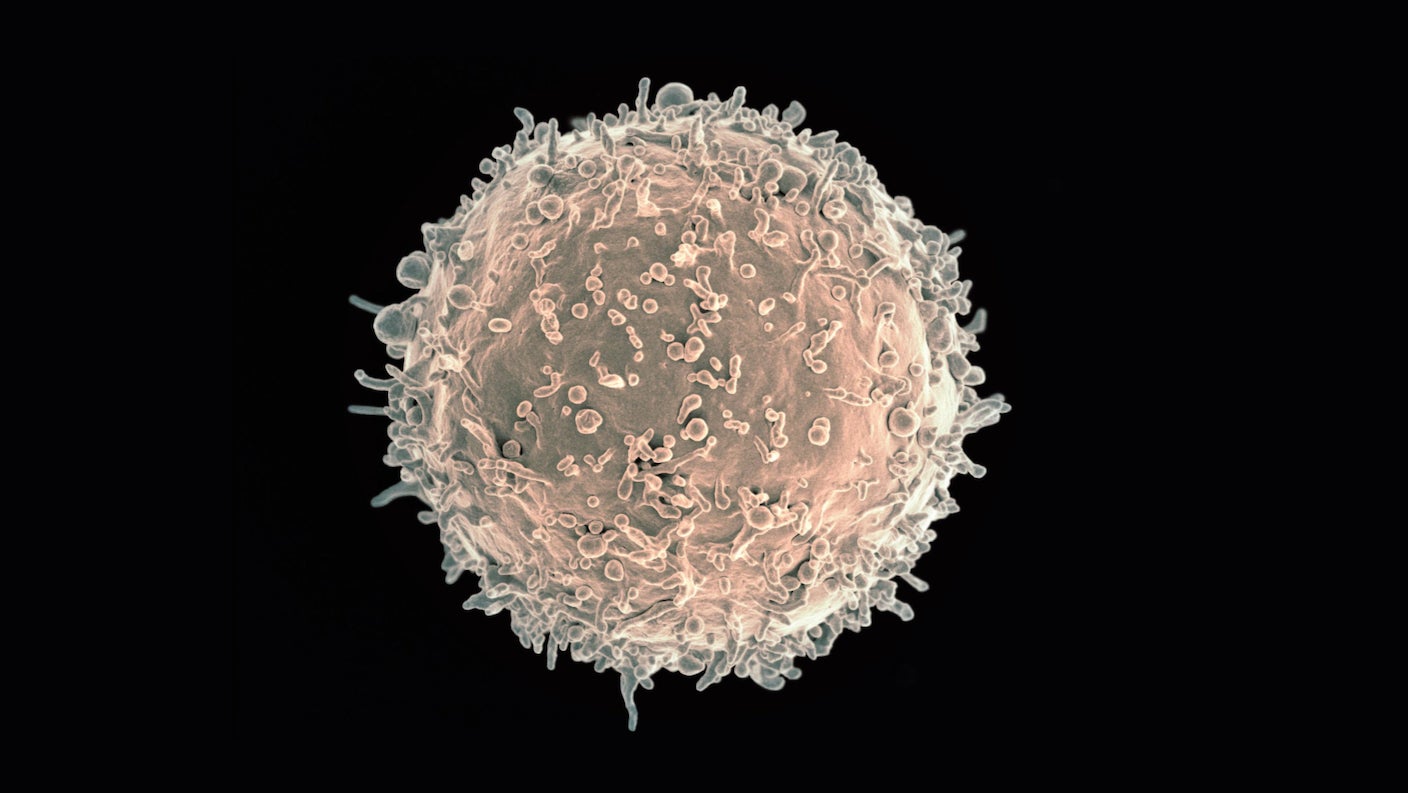 A woman battling the conditions went from "two handfuls of pills" and blood transfusions daily to medication-free. The post One Shot Just Crushed Three Deadly Autoimmune Diseases appeared first on SingularityHub....
The stunning physics of Project Hail Mary go back to ancient China
New Scientist - 14 Apr 2026 20:34
How do you portray momentum in space accurately? Columnist Chanda Prescod-Weinstein takes a look at the origins of our understanding of motion, which runs from Isaac Newton back to the Zhou dynasty a millennia ago
There were 'audible screams of delight': Why Artemis II sightings of meteor flashes on the moon have scientists giddy
Live Science - 14 Apr 2026 19:53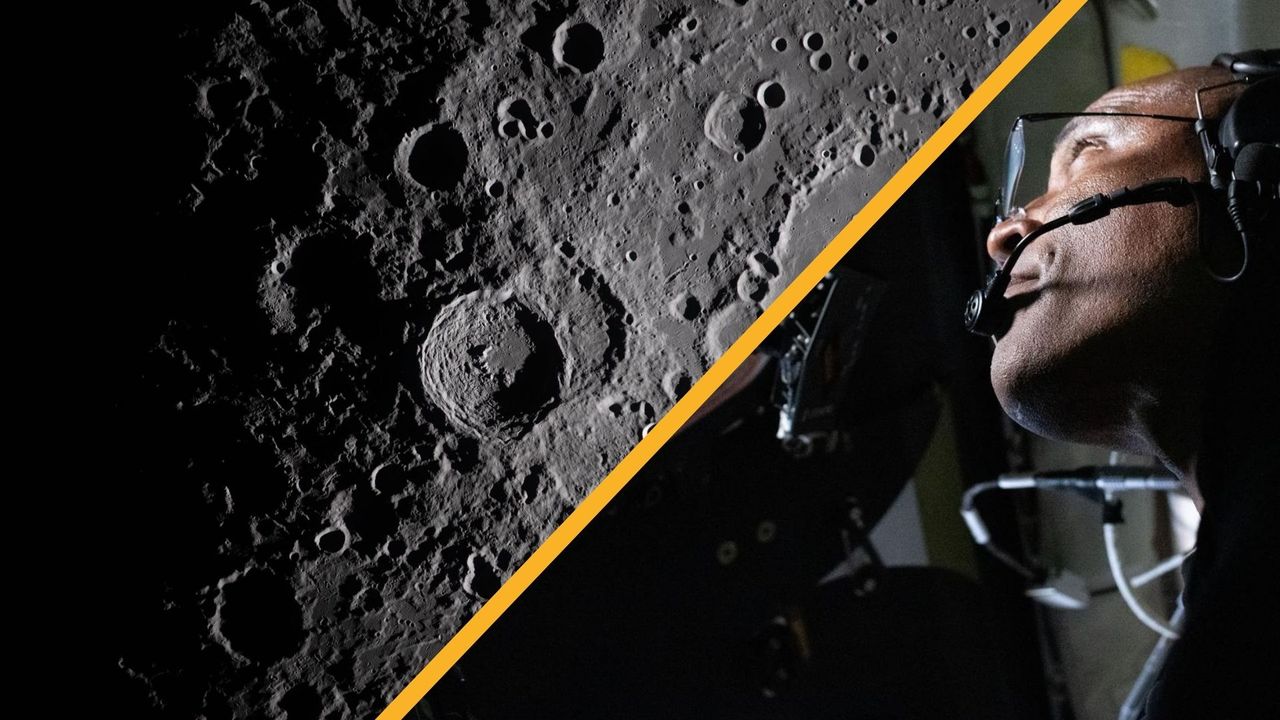 Meteorite strikes spotted on the moon by the Artemis II crew will help scientists assess dangers to future moon bases, infrastructure, and astronauts.
The Loneliness Paradox: Memory Deficits Without Accelerated Decline
Neuroscience News - 14 Apr 2026 19:29 Does loneliness cause dementia? A new study shows that while lonely seniors have poorer memory at the start, their cognitive decline follows the same trajectory as non-lonely peers.
How autoimmune conditions can unexpectedly drive mental illness
New Scientist - 14 Apr 2026 19:00
Antibodies mistakenly attacking the brain are linked with conditions including schizophrenia, dementia and OCD, prompting a revolution in how we think about mental health conditions
Smart cable sharing gives quantum computers a big boost
Phys.org - 14 Apr 2026 19:00
A major obstacle in the development of powerful quantum computers is the growing number of cables required to control a computer as the number of qubits increases. Researchers at Chalmers University of Technology in Swed...
Forensic Linguists Map the Language of Corruption
Neuroscience News - 14 Apr 2026 18:43 Forensic linguists have decoded the Enron "trust playbook." Using the world's largest collection of criminal recordings, researchers identified five specific tactics used to manipulate collaborators into comm...
A silicon-compatible path toward scalable quantum systems
Phys.org - 14 Apr 2026 18:30
Beginning in the 1950s, silicon transformed the electronics industry by enabling smaller and faster devices that could be reliably manufactured at scale. More than six decades later, silicon-based semiconductors remain a...
Quantum computers could usher in a crisis worse than Y2K
New Scientist - 14 Apr 2026 17:00
The day when a quantum computer manages to break common encryption, or Q-Day, is fast approaching, and the world is not close to being ready
Nasal Spray Reverses Brain Aging and Inflammation
Neuroscience News - 14 Apr 2026 16:45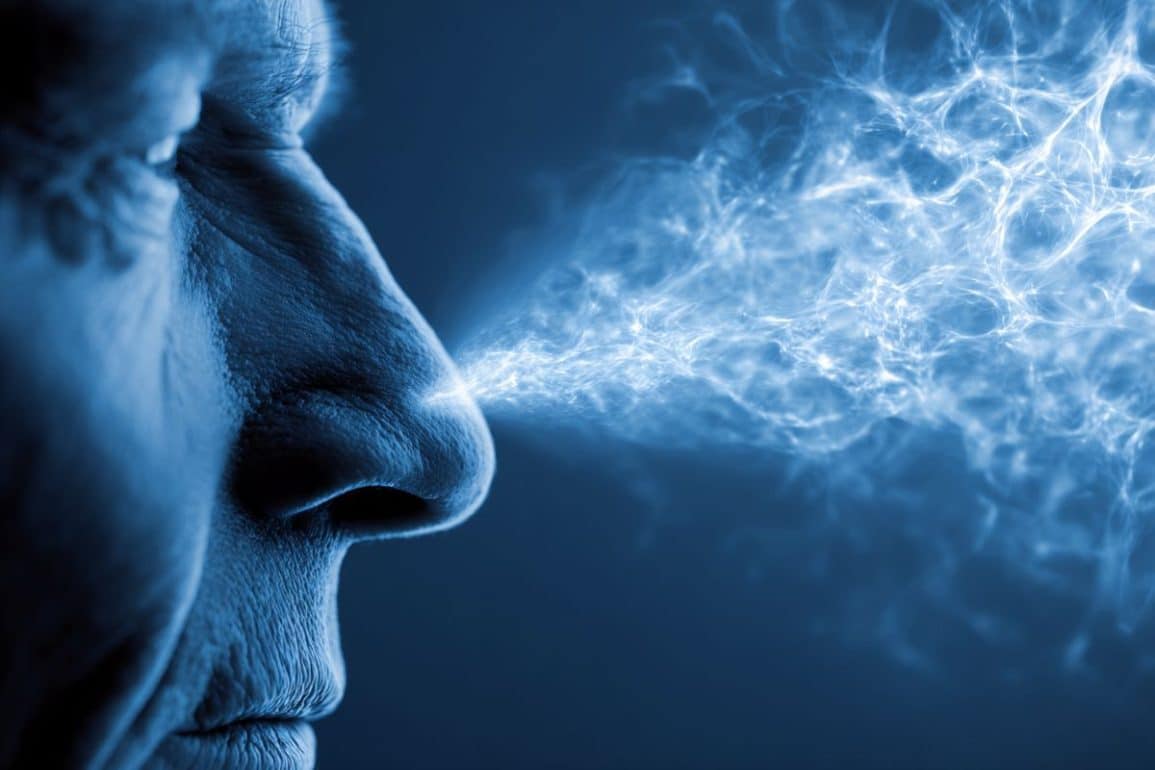 A new two-dose nasal spray reverses brain aging by delivering microRNAs directly to the brain. The therapy reduces "neuroinflammation" and restores memory within weeks.
Mirror-positioning method could make quantum gravity tests possible
Phys.org - 14 Apr 2026 16:40
In quantum physics, objects can exist in multiple states at the same time-a phenomenon known as quantum superposition, where a particle does not have a single definite value of position or momentum until it is measured. ...
Using atomic nuclei could allow scientists to read time more precisely than ever
Phys.org - 14 Apr 2026 16:20
Most clocks, from wristwatches to the systems that run GPS and the internet, work by tracking regular, repeating motions.
Right-to-Left Brain Circuit Essential for Navigation
Neuroscience News - 14 Apr 2026 16:12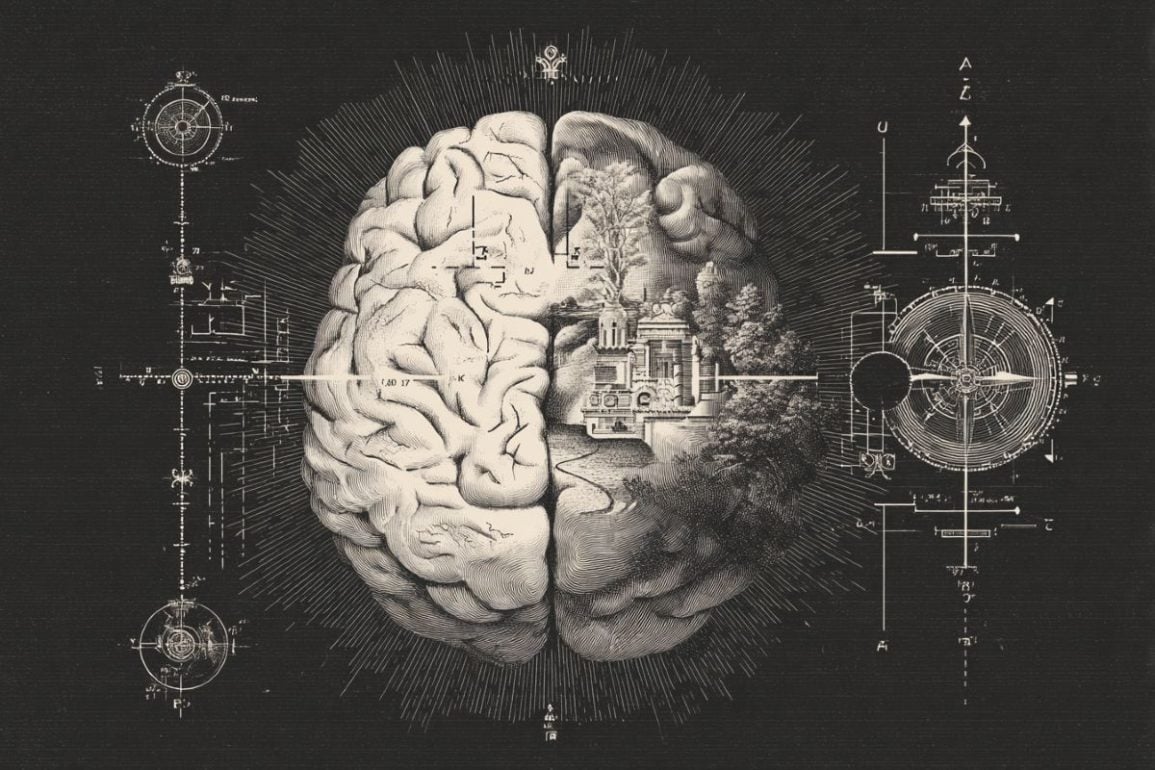 Researchers have discovered a neural circuit connecting the right and left hippocampus that is vital for spatial memory. The study also links the disruption of this "bridge" to schizophrenia-related cognitive def...
 Global
 Great Britain
 Indian
 South Africa