Science News
 American
Science News for 6 July 2026
American
Science News for 6 July 2026
Human brains may have got bigger for no particular reason
New Scientist - 6 Jul 2026 11:00
Our brains are large compared with other animals, so it is tempting to assume there was an evolutionary advantage to them - but that may not be true at all
Scientists just created the most lifelike cell ever made in a lab - here's what it could accomplish
Live Science - 6 Jul 2026 22:45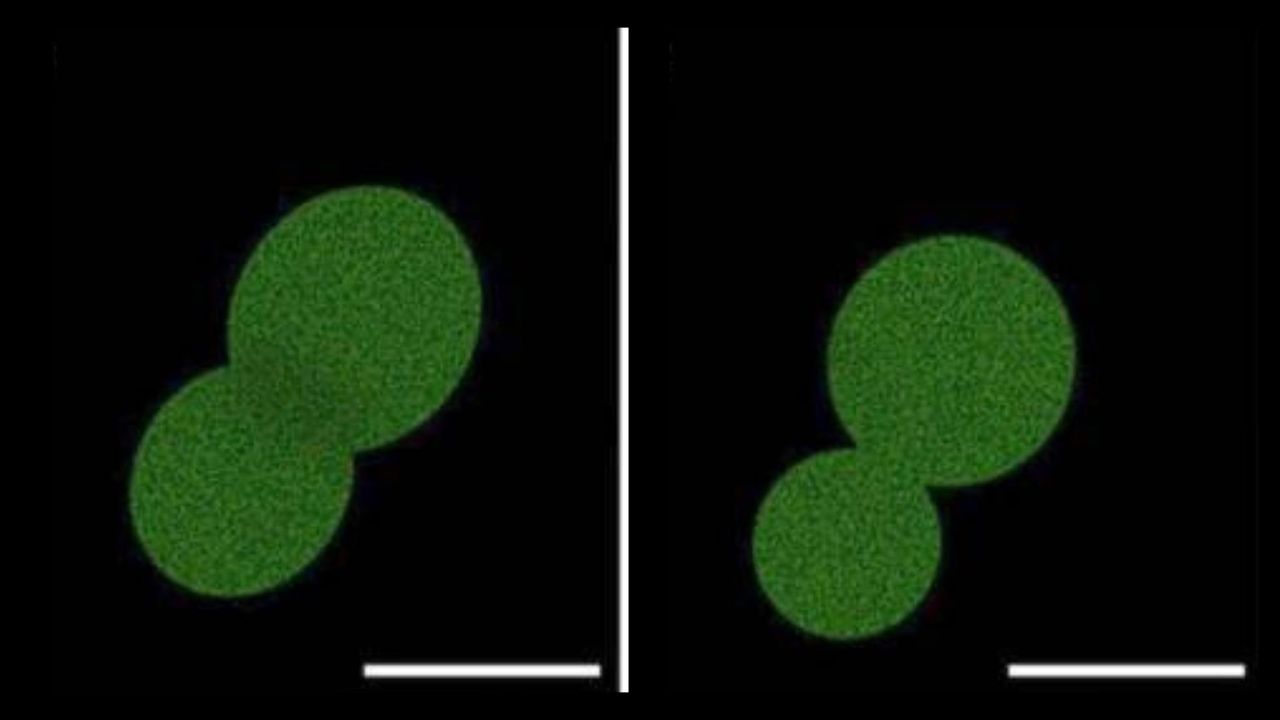 SpudCell is a new cell-like platform that can feed, grow and divide like a normal cell - but it's not yet a perfect re-creation of the real thing.
Neanderthals and modern humans may have shared culture 59,000 years ago in Turkey, study finds
Live Science - 6 Jul 2026 22:25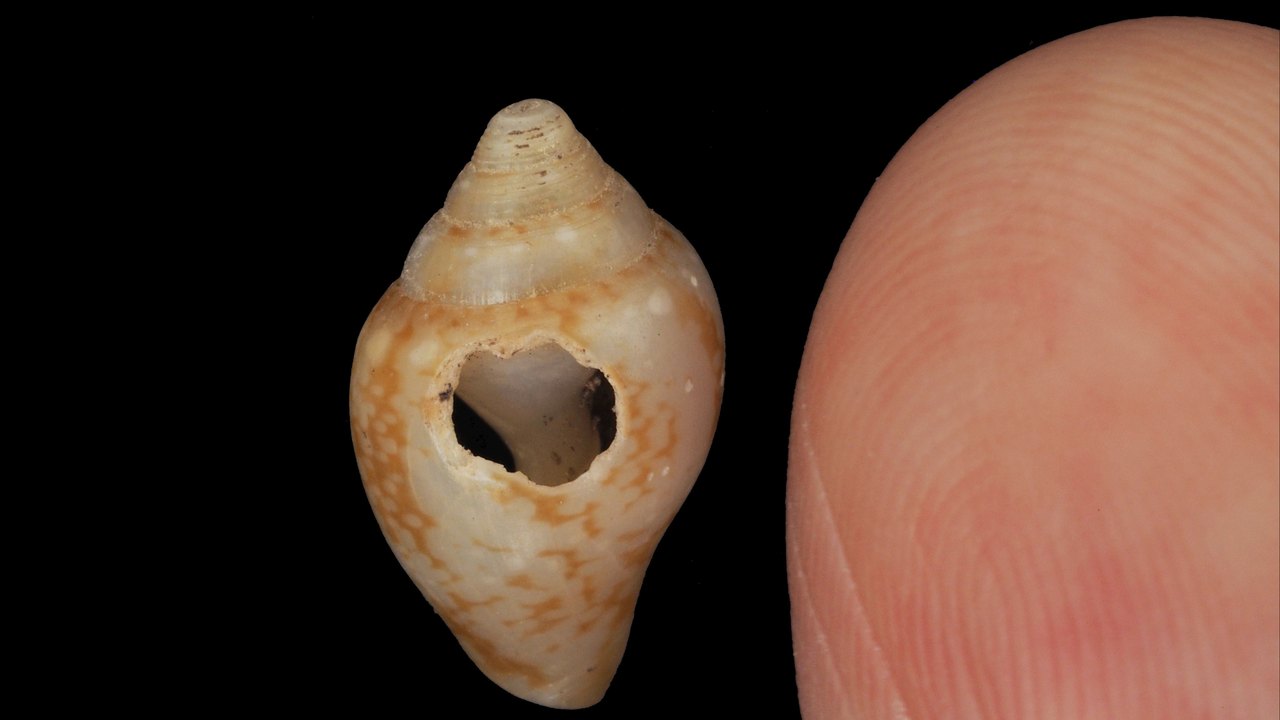 Fossils, stone tools and seashells in Turkey show that Neanderthals and the Homo sapiens who moved in later had the same hunting strategies and symbolic traditions even without overlapping at the site, suggesting they ma...
Bumblebee facial movements give clues to their inner lives
New Scientist - 6 Jul 2026 21:00
A series of experiments shows that bees respond differently to tastes depending on their internal states, hinting that they have something akin to our emotions
Artefacts hint at cultural exchange between Neanderthals and humans
New Scientist - 6 Jul 2026 21:00
A cave on the Turkish Mediterranean coast was inhabited first by Neanderthals and then Homo sapiens, but the continuity of tools and personal objects suggests there was some sharing of culture between the two species
Quantum computing: Laser-optical system offers full control over 2,000 trapped Rydberg atoms
Phys.org - 6 Jul 2026 20:20
Fraunhofer ILT in Aachen has developed a highly complex laser-optical system for a quantum computer currently under construction at the 5th Institute of Physics at the University of Stuttgart. This system enables 2,000 R...
Mediterranean Diet Boosts Psychological Well-Being Over Age 50
Neuroscience News - 6 Jul 2026 19:12 A new study demonstrates that adherence to a Mediterranean diet significantly boosts positive psychological well-being (autonomy, purpose, and self-realization) in people over 50. The research proved this protective nutr...
Exoskeleton Reads Faint Muscle Signals to Overcome Hand Paralysis
Neuroscience News - 6 Jul 2026 19:01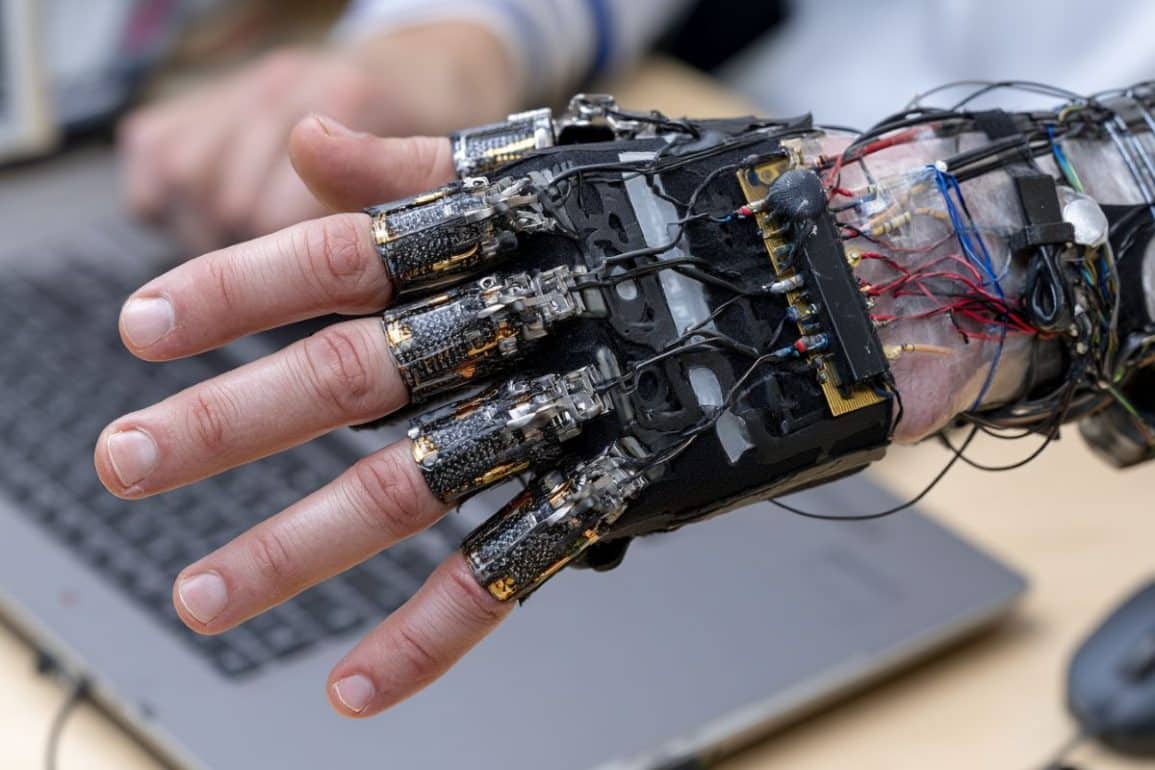 A new study introduces an affordable, soft pneumatic exoskeleton glove that restores grasping function in individuals with hand paralysis. Driven by the eXprt innovation network, the system uses machine learning to decod...
'A new way to study the edge of a black hole': Physicists just got the closest-ever look at a black hole's event horizon
Live Science - 6 Jul 2026 18:58 Physicists isolated the 'last sound' of an enormous black hole collision, providing an unprecedented glimpse of the region next to the event horizon.
Invisible Tire Dust Hijacks Alzheimers Predictor Genes
Neuroscience News - 6 Jul 2026 18:48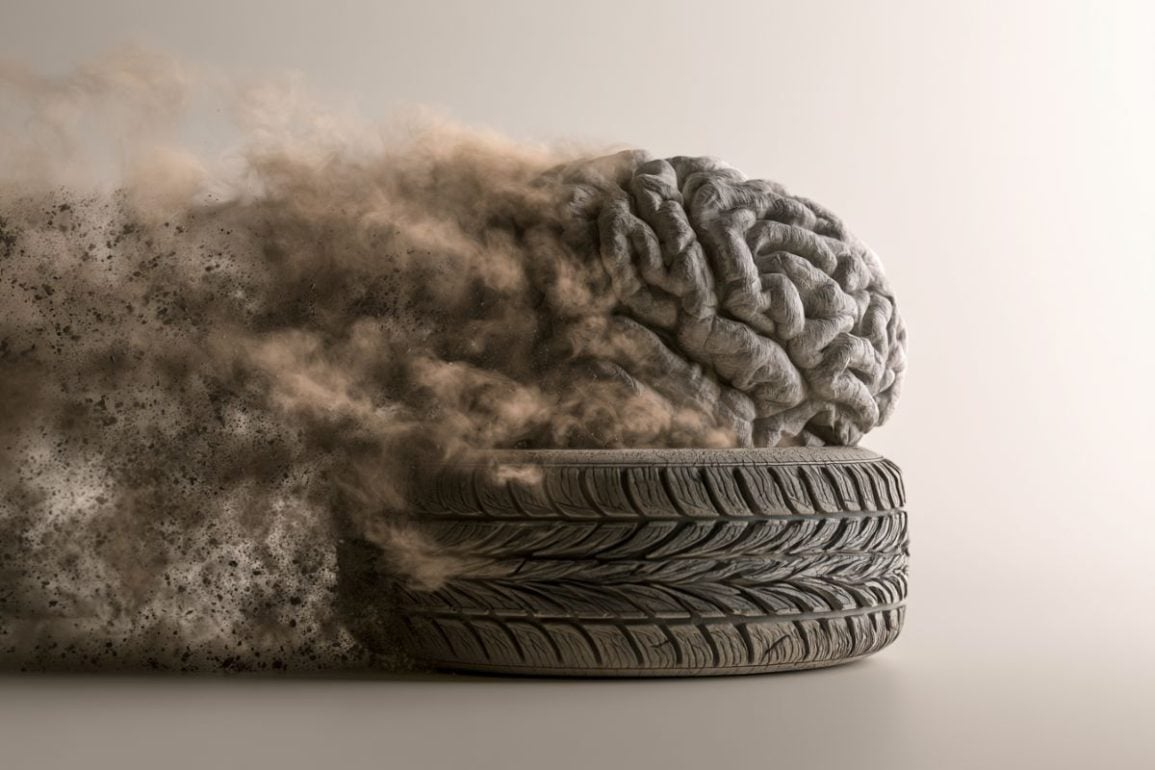 A new study links the tire rubber pollutant 6PPD-quinone (6PPD-Q) to Alzheimer's disease pathways. Using machine learning and network pharmacology, the team discovered that 6PPD-Q binds to three core predictor genes ...
Multilingualism Subtracts Up to 13 Years from Brain Age
Neuroscience News - 6 Jul 2026 18:35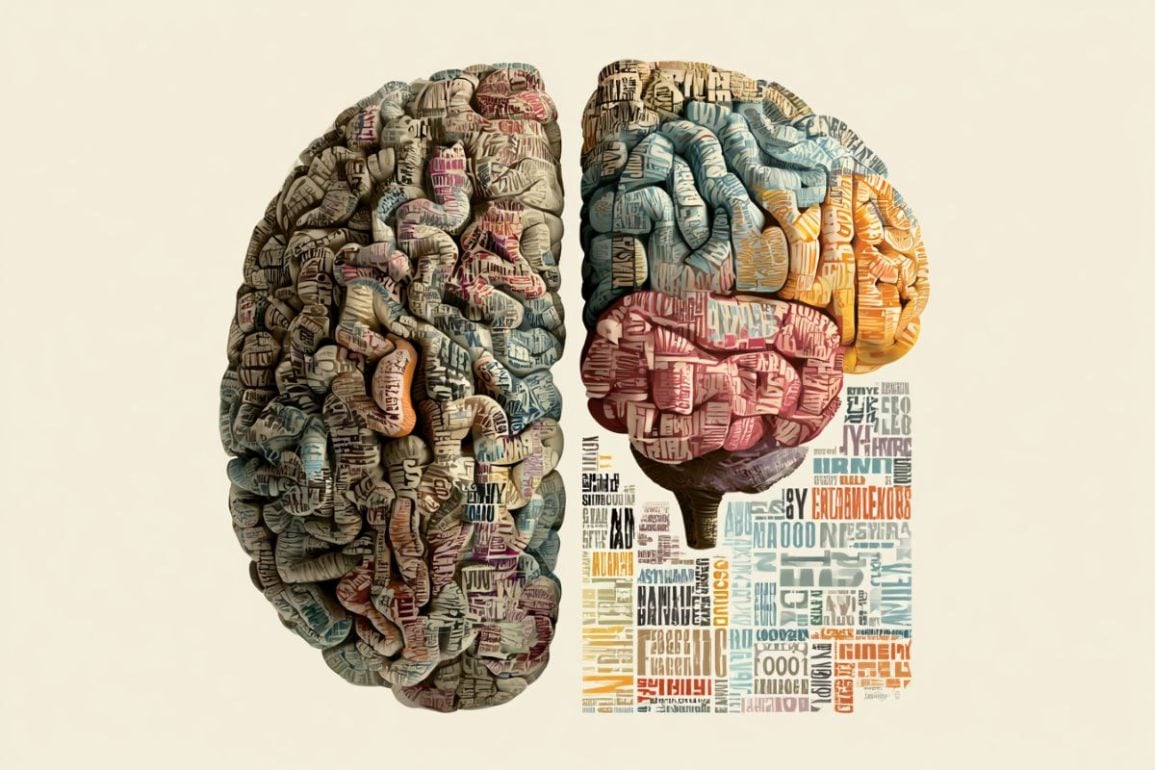 Multilingualism slows brain aging along a definitive gradient. Utilizing a machine-learning "brain aging clock" driven by magnetoencephalography data, the study demonstrated that speaking two, three, or four lang...
TB Vaccine Flushes Alzheimers Amyloid
Neuroscience News - 6 Jul 2026 18:24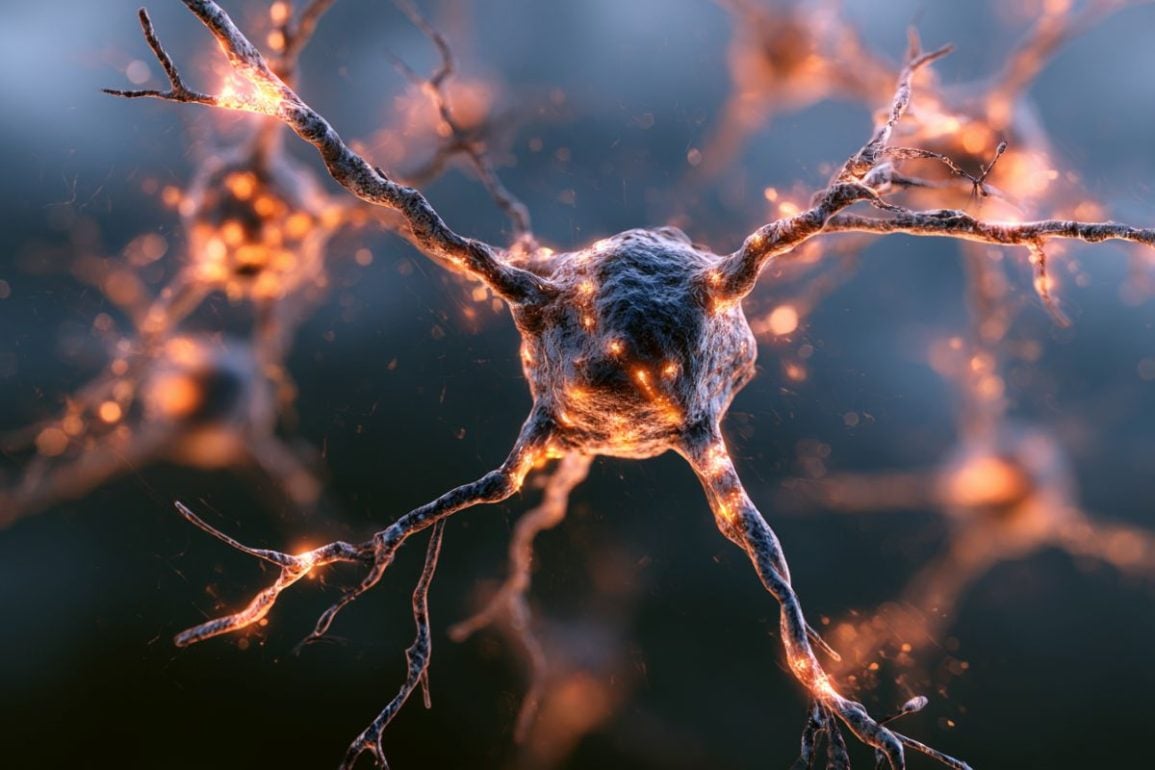 The BCG vaccine remodels the human brains immune environment via trained immunity. Tracking older adults over one year, researchers demonstrated that BCG enhances central nervous system immune cell responsiveness and low...
The Brain Prioritizes Spite Over Friendship
Neuroscience News - 6 Jul 2026 17:42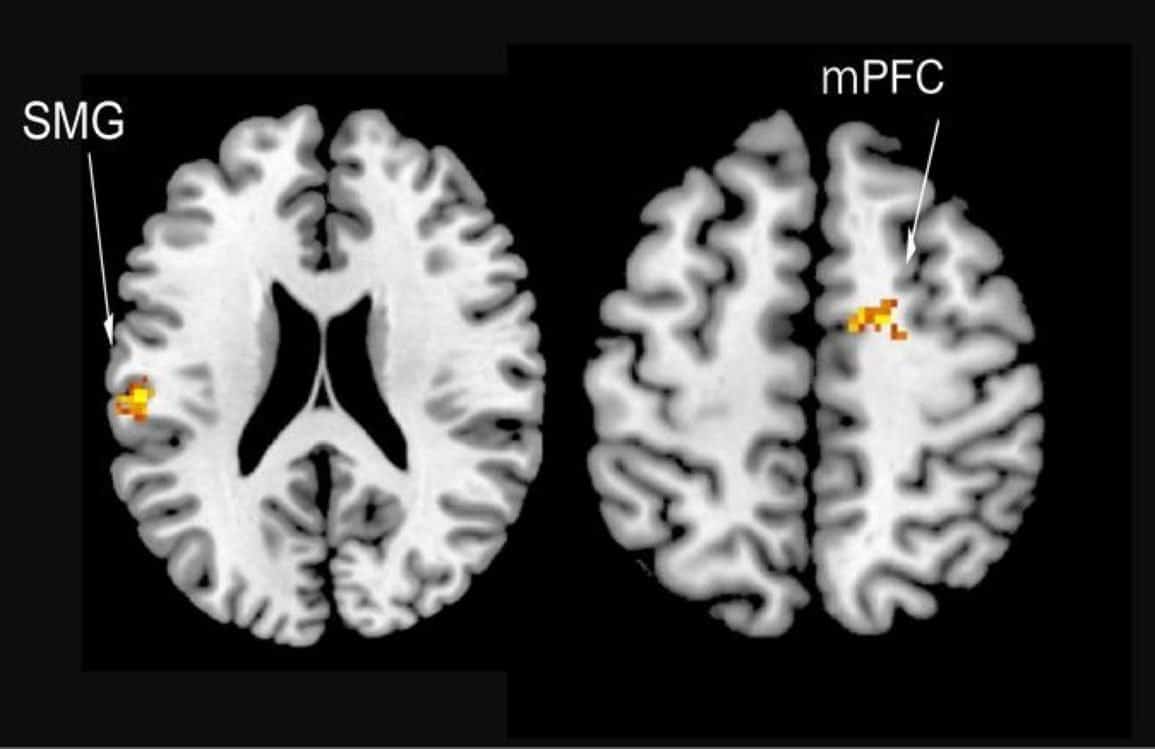 A new study demonstrates that the human brain constructs multidimensional social maps from narrative experiences using rivalries as primary anchors.
Mild Cardiac Issues Trigger Long-Term Memory Loss
Neuroscience News - 6 Jul 2026 17:12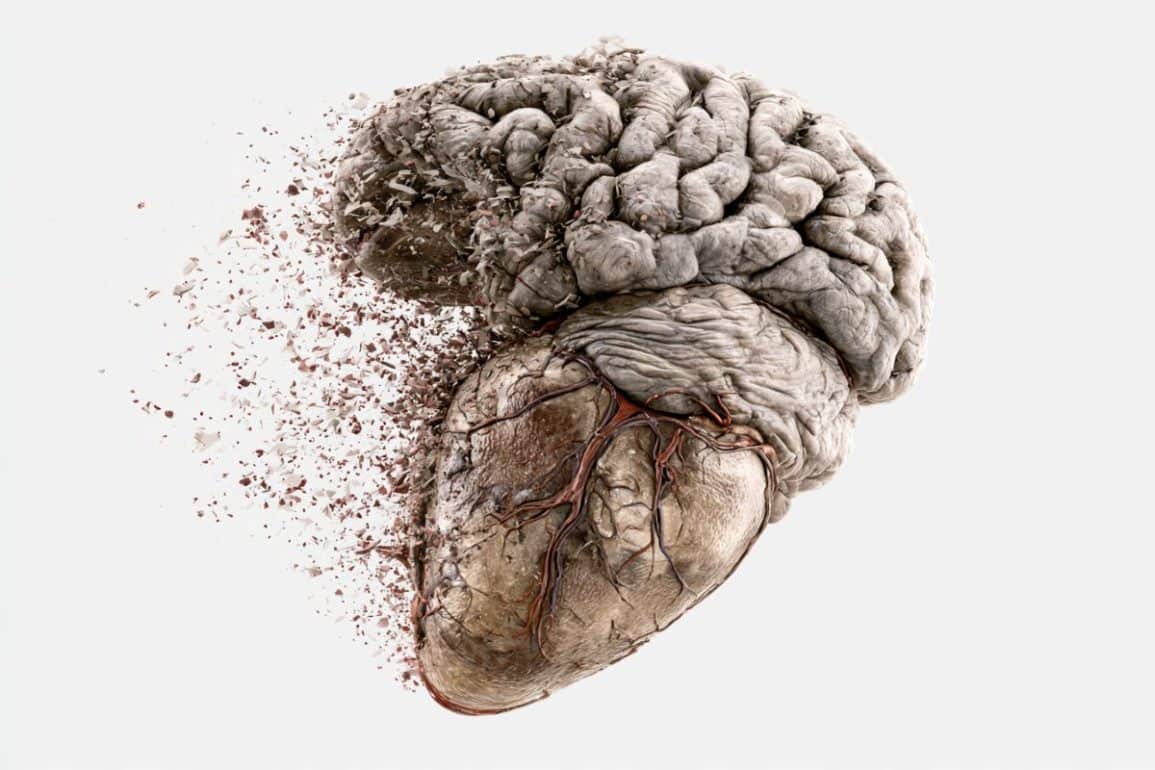 A new study demonstrates that subclinical cardiac dysfunction predicts microscopic tissue degradation in Alzheimers-linked brain regions.
How healthy is your brain? We now know how to find out
New Scientist - 6 Jul 2026 17:00
In our efforts to keep our brains healthy, how do we know what is working? Helen Thomson explores a new generation of tests that can reveal whether our efforts are paying off
Biomarkers Boost Antidepressant Success Rates by 67%
Neuroscience News - 6 Jul 2026 17:00 A new study demonstrates that combining fMRI brain connectivity, cognitive reward testing, and clinical markers to guide antidepressant selection increases patient response rates by nearly 67%.
Diagnostic dilemma: Huge mass in woman's stomach was likely caused by Ozempic-style drug - and dissolved with diet soda
Live Science - 6 Jul 2026 16:10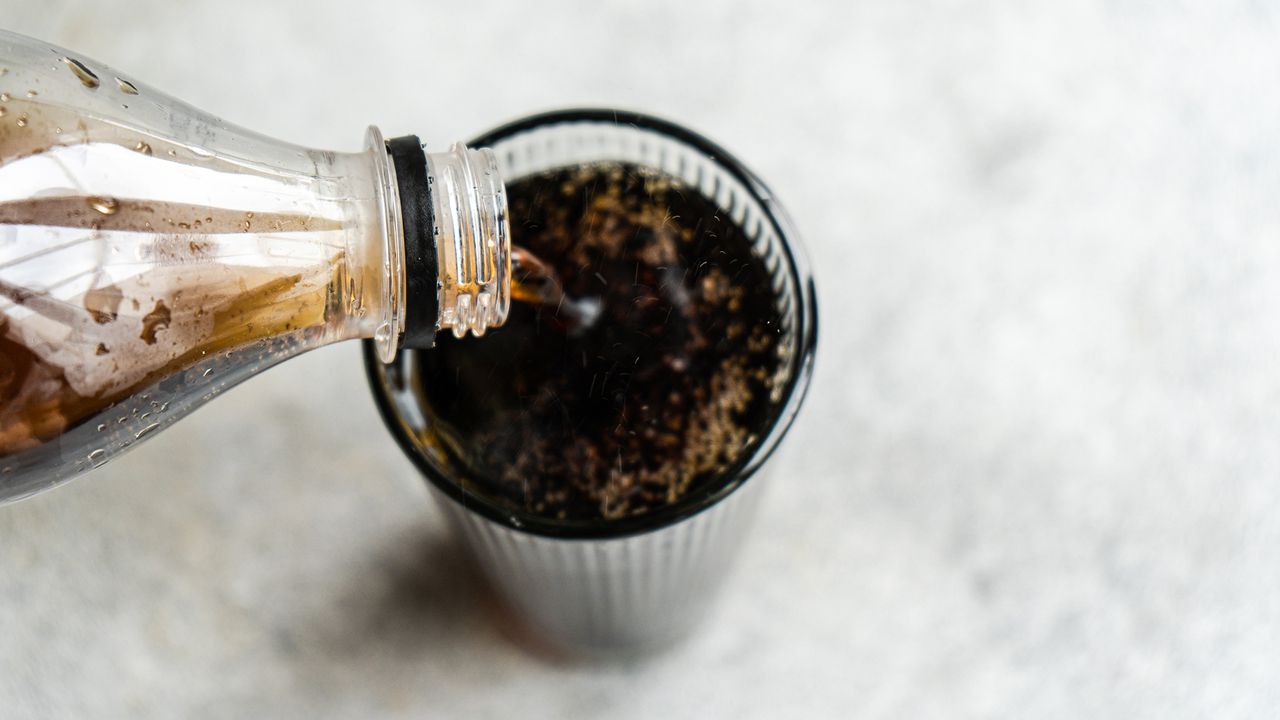 A woman's abdominal discomfort turned out to be caused by a build up of food in her stomach. And the treatment involved diet soda.
Detecting neutron sources by borrowing inference tools from cosmology
Phys.org - 6 Jul 2026 15:40
Neutron sources can be directly identified from measured spectra rather than proxies using inference tools adapted from cosmology, according to a University of Michigan Engineering study published in Physical Review Appl...
5 things to know about sunscreen, according to a skin cancer expert
New Scientist - 6 Jul 2026 15:00
How much sunscreen should you be using, when should you apply it, and are there any downsides to doing so? Skin cancer expert Rachel Neale is here to answer all of these questions and more
How the Bilingual Brain Switches Languages With Ease
Singularity Hub - 6 Jul 2026 14:00 Similar concepts in different languages share an address in the brain. The post How the Bilingual Brain Switches Languages With Ease appeared first on SingularityHub.
Musical take on The Boy Who Harnessed the Wind is moving and charming
New Scientist - 6 Jul 2026 13:00
A TED talk and then a film, William Kamkwambas story of how he worked to provide his rural Malawian village with electricity has now been turned into a musical - and it mostly works, says Bethan Ackerley
Collapse of AMOC ocean current may already be locked in
New Scientist - 6 Jul 2026 12:49
The fate of the Atlantic Ocean current that keeps Europes climate warm depends on our carbon emissions and the rate of ice melt from Greenland, but there is a chance that a shutdown is already inevitable
 Global
 Great Britain
 Indian
 South Africa