New Scientist - 10 Sep 2026 02:00

Global warming and a record El Niño have pushed Earths temperature more than 1.5C above the preindustrial average, and further heat is on the way
New Scientist - 10 Sep 2026 19:00

Ecosystems like wetlands emit more carbon as temperatures rise. By 2100, such feedback loops will increase warming by 20 to 30 per cent more than anticipated
Live Science - 10 Sep 2026 17:00

Climate change will increase our exposure to myriad infections, from tick-borne diseases to drug-resistant bacterial infections.
New Scientist - 10 Sep 2026 16:00

A group of astronomers proposes that a series of events in a distant galaxy formed both a black hole and a pulsar, but other experts say the conclusion is premature
Phys.org - 10 Sep 2026 15:40

Within tiny halos of light clinging to a vanishingly thin wisp of optical fiber, scientist Jongmin Lee guides atoms like marbles through a narrow pipe. Rock the fiber and the atoms shift side by side; they just don't...
New Scientist - 10 Sep 2026 15:00

A dinosaur, possibly a young Tyrannosaurus rex, excreted a bird 66 million years ago, and one of its feathers is exquisitely preserved in the fossilised dropping
New Scientist - 10 Sep 2026 14:50

Since OpenAI announced its solution to one of the prestigious Millennium Prize Problems, mathematicians have been urgently trying to unpick what it means
Live Science - 10 Sep 2026 14:30
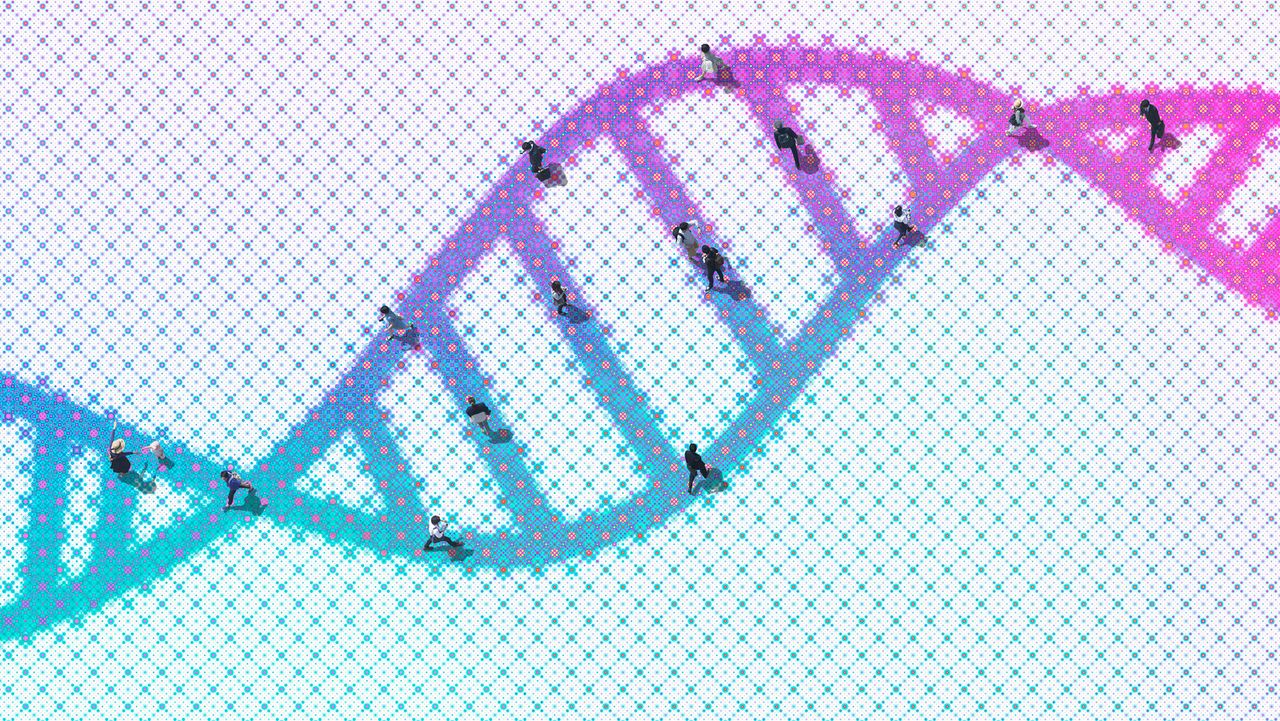
A huge analysis probes the genetics of personality, finding that the trait is much less straightforward than physical attributes like eye color.
Phys.org - 10 Sep 2026 14:00

Quantum technologies are poised to transform fields ranging from medicine and sensing to computing and communications by manipulating the energy states of atoms and molecules. These manipulations are achieved by controll...
New Scientist - 10 Sep 2026 13:56

Famous and challenging problems in mathematics are falling to AI at a rapid pace. Where does this leave mathematicians, and what will the field look like in coming years?
Phys.org - 10 Sep 2026 13:40

So far, quantum computers have been held back by their extreme sensitivity to errors and external disturbances. The longer a quantum operation takes, the greater the risk of computational errors.
Phys.org - 10 Sep 2026 13:00

Tiny manufacturing imperfections in optical components normally go unnoticed. Yet they can alter light in surprisingly significant ways. An international research team led by TU Darmstadt has shown that such imperfection...
Live Science - 10 Sep 2026 13:00
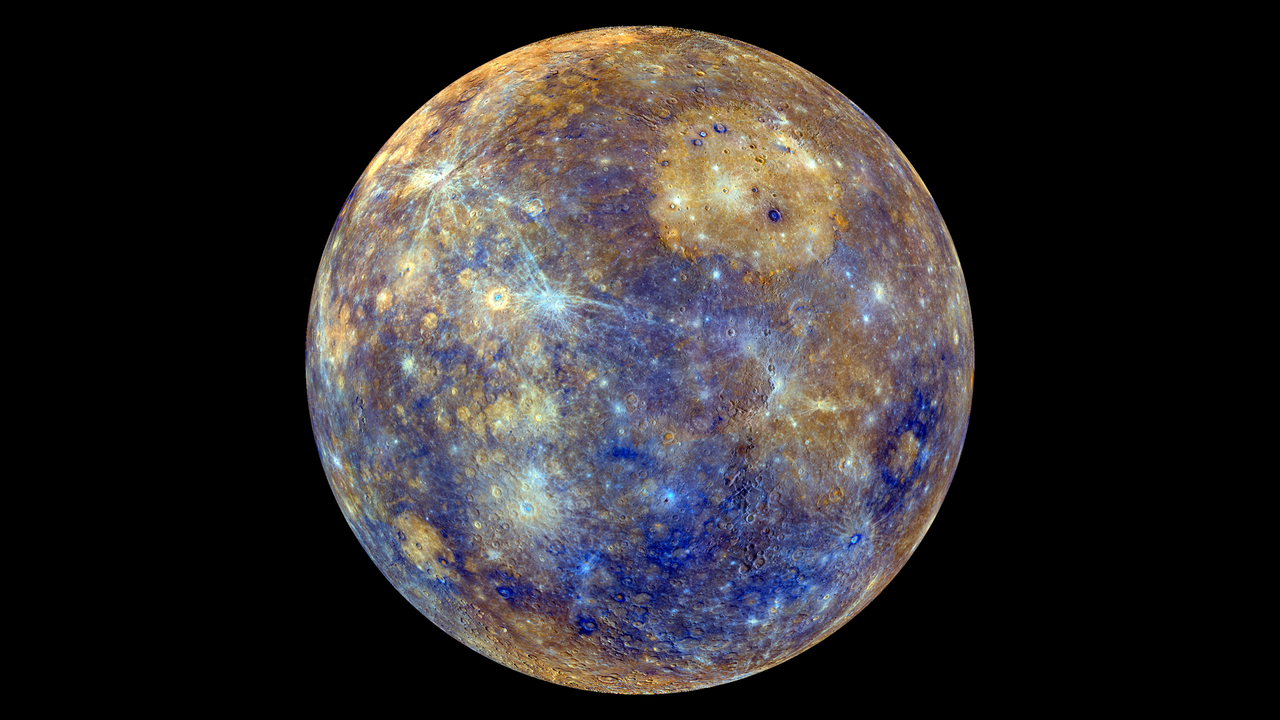
Mercury may be shrinking much faster than we thought - and that could reveal new clues about its violent origins.
Live Science - 10 Sep 2026 11:00
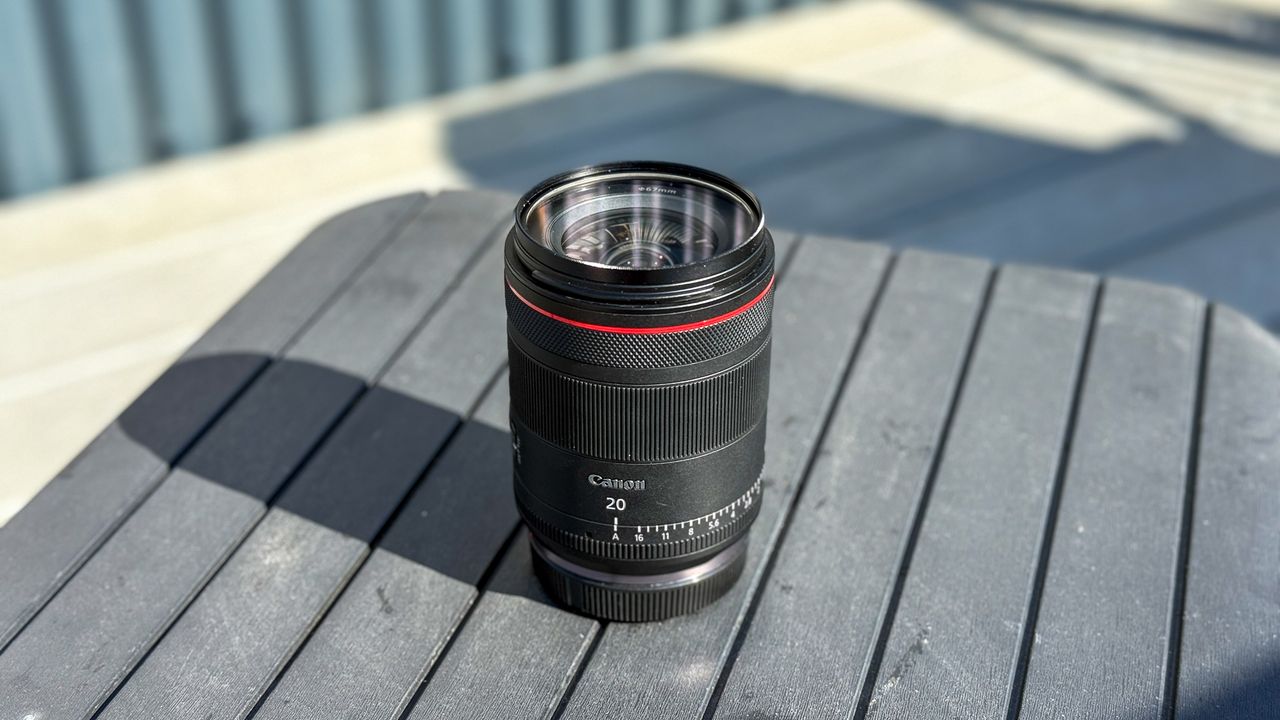
With a bright f/1.4 aperture and wide field of view, this L-series prime lens is aimed at photographers who regularly shoot in low light
Phys.org - 10 Sep 2026 10:00

Superconductors are materials that carry electricity with zero resistance below specific temperatures. Many of these materials become superconducting at very low temperatures, yet some enter superconducting phases at hig...
Live Science - 10 Sep 2026 10:00

Generally mild weather and increasing hours of darkness make September a great month for observing, and this year, there's a particularly busy sky.
New Scientist - 10 Sep 2026 08:13

Where financial health meets human longevity.
 American
Science News for 10 September 2026
American
Science News for 10 September 2026
 Global
 Great Britain
 Indian
 South Africa