Science News
 American
Science News for 14 October 2026
Rare cancer spread between twins in utero
New Scientist - 14 Oct 2026 11:21 In a very rare case, a fetus developed cancer in the uterus, and these tumour cells spread to her twin sister
Reading Fiction Can Rewire Real-World Forgiveness and Empathy
Neuroscience News - 14 Oct 2026 22:23 A study of 1,563 people reveals that reading a character's private remorse fosters empathy that helps readers forgive real-world offenders.
Chronic back pain may activate an unexpected brain network, study finds
Live Science - 14 Oct 2026 20:35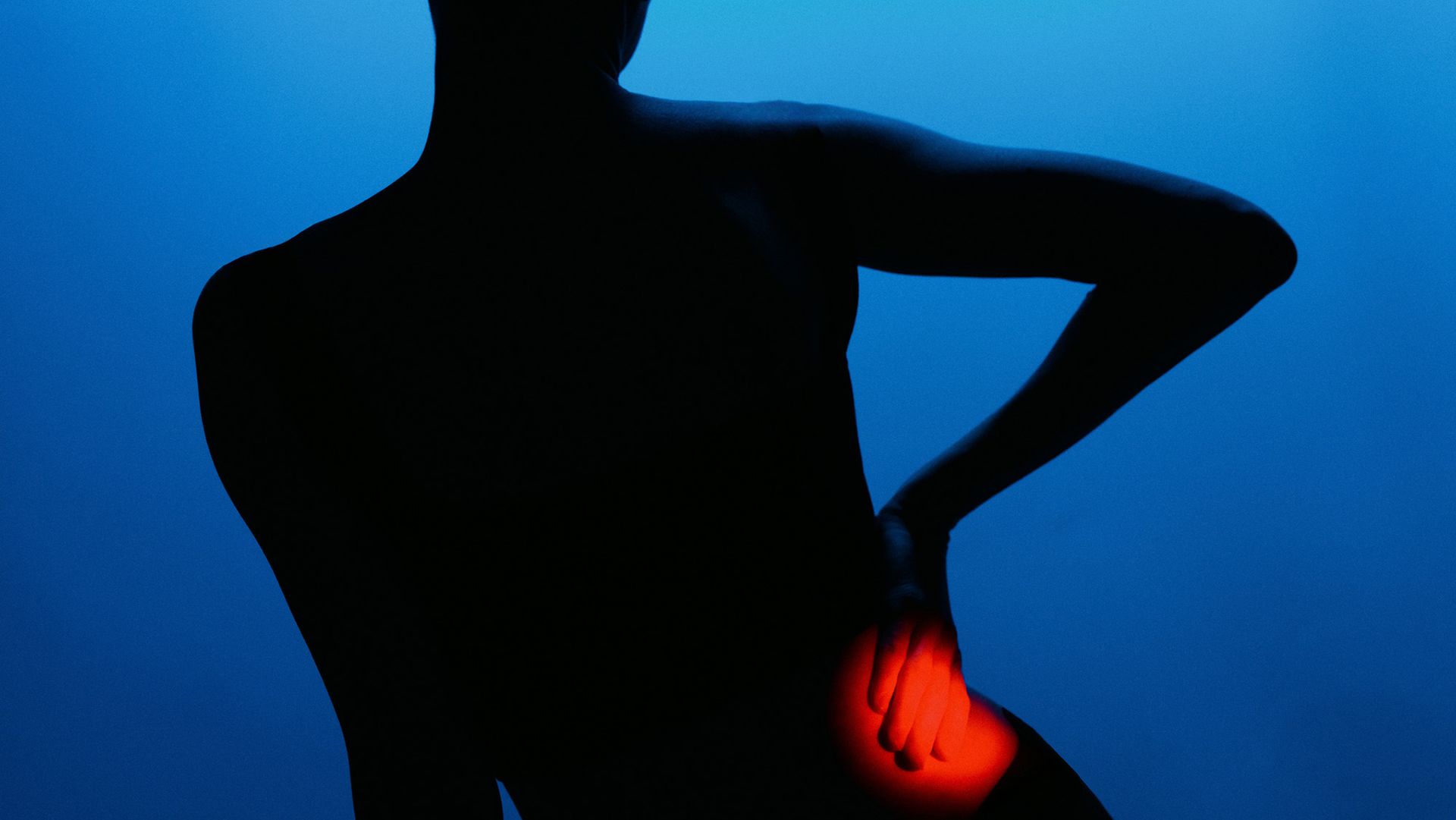 Movement-induced flares in chronic back pain activate brain regions involved in self-reflection, suggesting chronic pain may be processed differently than acute pain.
DNA from centuries-old skeletons buried in Montreal reveals no genetic mixing between Indigenous people and French colonists
Live Science - 14 Oct 2026 19:46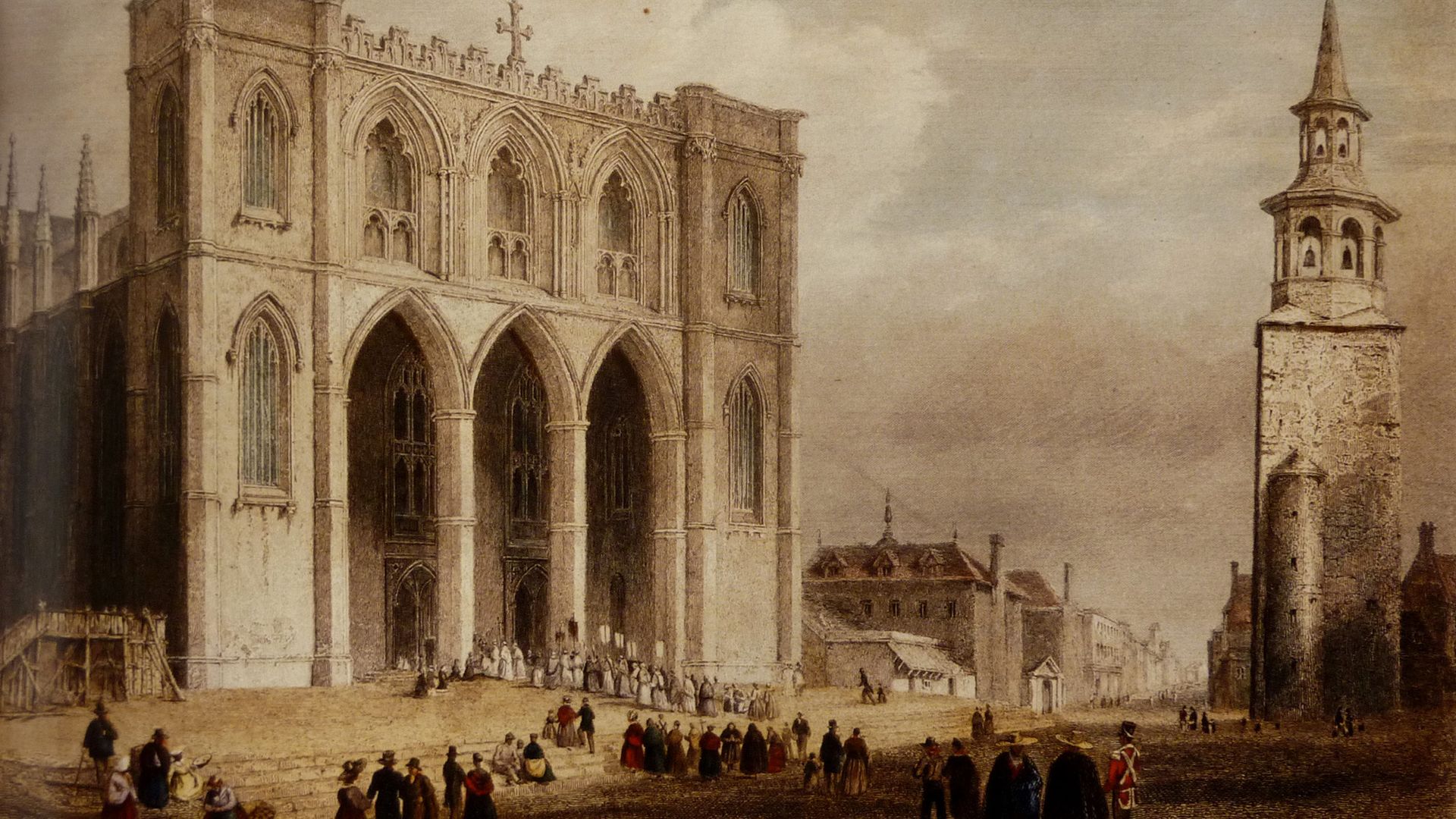 A study of DNA from early colonial-era skeletons in a Montreal cemetery has revealed that none of them had any Indigenous ancestry.
Tapeworm drug could help treat endometriosis, mouse study hints
Live Science - 14 Oct 2026 19:34 A recent study in mice hints that a modified tapeworm medicine might help relieve painful lesions seen in endometriosis.
Scientists reveal 93% of Australia's Indigenous population was lost in just 73 years
Science Daily - 14 Oct 2026 19:34
A groundbreaking study suggests that 2.22 million Indigenous Australians lived on the continent before European colonization, far more than previously believed. Researchers estimate that 93% of this population was lost w...
New chip-scale gyroscope measures rotation with unprecedented sensitivity
Phys.org - 14 Oct 2026 19:00 Researchers have developed a chip-scale optical ring-laser gyroscope that can measure rotation as slow as 37 degrees per hour. This record sensitivity, approaching Earth's rotation rate of 15 degrees per hour, could ...
A forgotten fossil reveals a fearsome dinosaur with giant claws
Science Daily - 14 Oct 2026 18:51
A 120-million-year-old fossil forgotten in a museum for nearly a century has revealed a terrifying new dinosaur that may have been more dangerous to humans than a T. rex. The tiger-sized predator also provides the first ...
Ancient shipwreck discovered off Turkey claimed to be worlds oldest
New Scientist - 14 Oct 2026 18:36 A ship that sank in the Early Bronze Age was probably carrying jars of olive oil and may have been on its way to the ancient city of Troy when it sank
Self-replicating AIs are a great digital horror story - heres the reality
New Scientist - 14 Oct 2026 18:11 Anthropic announced that an AI could self-replicate inside smart devices within months, stoking fear around the internet. Columnist Jacob Aron explains the technical limitations that make this spook story less than likel...
Cancer is rising in younger adults, and scientists can't fully explain why
Science Daily - 14 Oct 2026 18:03
A major study found that several cancers are rising faster among younger adults in England, even as smoking, diet, and other established risk factors have generally improved. Excess weight explains only part of the incre...
We can rescue the AMOC after its collapse - but itwontbe easy
New Scientist - 14 Oct 2026 18:00 An AMOC weakened by climate change can be revived by cooling global temperatures, but we don't have the technology to remove huge quantities of CO2 and drive that cooling
Hidden sounds of nature brought to life in fascinating new book
New Scientist - 14 Oct 2026 17:00 From ice groaning to a very noisy troop of monkeys, Wilderness Songs by Justin Anderson shows some of the best nature stories are told through soundscapes as well as words - with added QR codes, finds Dhruti Shah
Tom Gauld: DNA and fossil evidence proved they were close relatives
New Scientist - 14 Oct 2026 17:00 Tom Gauld's weekly cartoon
This weeks new questions
New Scientist - 14 Oct 2026 17:00 Why do humans enjoy black-and-white photos or videos, but have less tolerance for images that have only two other colours? If two chromosomes are better than one, why notthree?
This prize-winning sci-fi novel about wolf rewilding made me cry
New Scientist - 14 Oct 2026 17:00 When There Are Wolves Again by E. J. Swift somehow delivers both a determined call for more wildernesses globally - and a great novel. Sci-fi columnist Emily H. Wilson is thrilled she gave it another chance
This El Niño will bring predictable disasters, so why arent we ready?
New Scientist - 14 Oct 2026 17:00 We know that this monster El Niño will bring floods, droughts, cyclones and wildfires, but some governments arent putting in the necessary resources to prepare for disaster
Some of our favourite New Scientist Live moments - in photographs
New Scientist - 14 Oct 2026 17:00 With talks by experts from Alice Roberts to Tim Spector and a host of scientific fun to be had, this year's New Scientist Live took place from 10 to 12 October. Check out the action in this selection of shots from th...
Physicists claim they can predict when AI will turn dangerous
Live Science - 14 Oct 2026 16:34 A new mathematical formula tracks an AI's internal "compass needle" to flag undesirable outputs before they happen.
Physicists claim they can predict when AI turns dangerous
Live Science - 14 Oct 2026 16:34
A new mathematical formula tracks an AI's internal "compass needle" to flag undesirable outputs before they happen.
'They cannot compete with the prices that fish factories will pay': How demand for fish meal takes priority over feeding people
Live Science - 14 Oct 2026 16:22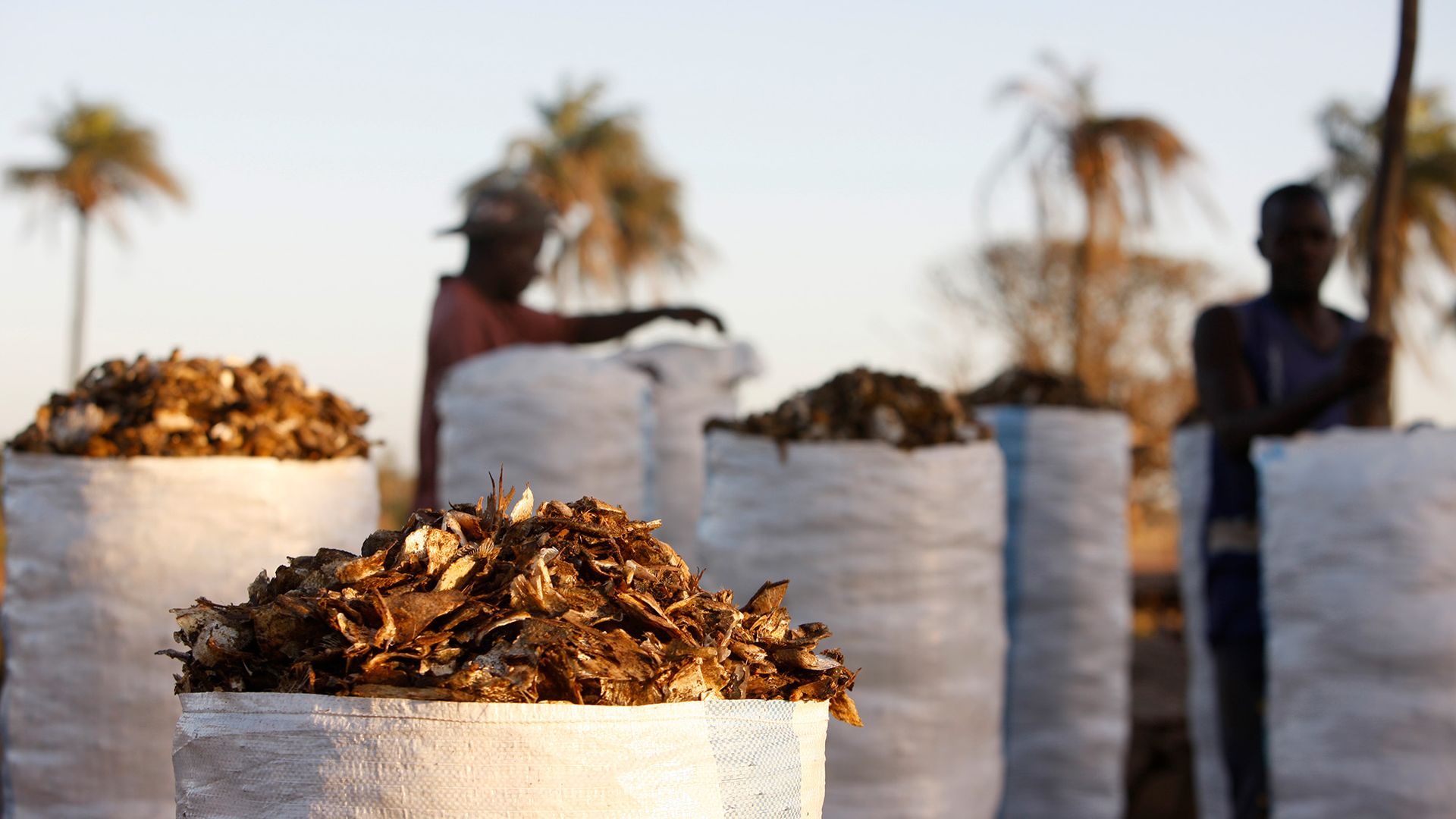 In this excerpt from "Every Last Fish," author Rose George examines the deep-rooted problems of the regulations surrounding fish meal.
New framework links magnetic phase boundaries to string-like defects in spin ice
Phys.org - 14 Oct 2026 16:20 A research team led by Haruki Watanabe, a professor in the Department of Physics and the Jockey Club Institute for Advanced Study (IAS) at The Hong Kong University of Science and Technology (HKUST), in collaboration with...
 Global
 Great Britain
 Indian
 South Africa