Science News
 American
Science News for 28 October 2026
Your blood pressure could be dangerous even when your numbers look normal
Science Daily - 28 Oct 2026 23:54
Researchers have discovered a small group of brain cells that prevents dangerous blood pressure swings, even when average readings appear normal. The finding reveals a hidden source of cardiovascular risk and could open ...
Scientists just broke a textbook rule of physics
Science Daily - 28 Oct 2026 23:39
Scientists have defied a long-standing rule of laser physics by generating X-rays with much higher energies than conventional theory predicts. The surprising discovery reveals how two electrons working together can overc...
Meteors don't just burn up. What really happens is far more violent
Science Daily - 28 Oct 2026 23:06
Scientists have uncovered seven surprising stages that space rocks go through as they hurtle toward Earth, revealing that melting and violent fragmentation, rather than simple evaporation, determine their fate. The disco...
Scientists discover a hidden oxygen reservoir deep inside Earth
Science Daily - 28 Oct 2026 21:13
Scientists have discovered that magma deep inside Earth can store surprising amounts of extra oxygen, potentially revealing a hidden contributor to our planet's oxygen-rich atmosphere. The findings suggest that ancie...
Why Some People Love Hugs While Others Hate Them
Neuroscience News - 28 Oct 2026 19:35 Why do some hugs stay with us while others fade away? A survey of more than 15,000 UK adults published in PLOS One shows that 70% remember hugs for comfort, with empathy, relationship attachment styles, and body percepti...
Ultrathin metal layer boosts spin-related signals, opening a door to ultralow-power electronics
Phys.org - 28 Oct 2026 19:20 Researchers at Kyushu University have found that an ultrathin layer of iridium manganese (IrMn) can improve two spin-related signals in a structure made of a magnetic insulator and a platinum film. By examining how spin ...
First clear image of China's mysterious 'divine dragon' space plane revealed in US government report
Live Science - 28 Oct 2026 19:04 The Defense Intelligence Agency's latest "Challenges to Security in Space" report included a declassified satellite photo of China's Shenlong, or "divine dragon," space plane, which has released a...
Explaining the difference between brittle and ductile behavior in polymer glasses
Phys.org - 28 Oct 2026 18:00 Glasses are (mostly) brittle, metals can be ductile (plastic), and liquids flow easily. Polymers are interesting because they exhibit all three types of behavior, depending on their chemical nature, temperature, and defo...
The Kings Observatory could be yours for the low, low price of £18 million
New Scientist - 28 Oct 2026 18:00 The King's Observatory in London, built on the orders of King George III so he could watch the 1769 transit of Venus, is up for sale. Feedback is interested - but not sure if our bank balance will stretch to the aski...
Tom Gauld on how to scare a scientist
New Scientist - 28 Oct 2026 18:00 Tom Gauld's weekly cartoon
Twisteddoodles on scientists in horror movies
New Scientist - 28 Oct 2026 18:00 This week's cartoon from Twisteddoodles
Why cant we cool water as quickly as we can heat it? part 3
New Scientist - 28 Oct 2026 18:00 This question was posed as part of New Scientists Last Word series, in which readers give scientific answers to each others questions. Heres what our readers had to say
Why the worlds first spinal cord transplant is so controversial
New Scientist - 28 Oct 2026 18:00 A spinal cord transplant happened in people for the first time during a surgery in Russia, but the evidence underpinning it is lacking
Blue Planet III is the best yet from the BBC and David Attenborough
New Scientist - 28 Oct 2026 18:00 The BBC has another game-changing hit in Blue Planet III, says Michael Le Page, with David Attenborough narrating and a smart dolphin
Can tiny microbes pack a mighty punch in the climate battle?
New Scientist - 28 Oct 2026 18:00 Ecologist Steven Allison argues for the importance of microbes in fighting climate change in a convincing and hopeful book, The Age of Microbes, says Christa Lesté-Lasserre
Our verdict on Exit Party by Emily St. John Mandel: Not her best book
New Scientist - 28 Oct 2026 18:00 The New Scientist Book Club has been reading the Station Eleven author's latest speculative novel. While they found lots of things to praise, there were criticisms of the pace of this near-future-set story, says Alis...
Nearly Half of Distressed Adults Use AI for Therapy
Neuroscience News - 28 Oct 2026 17:53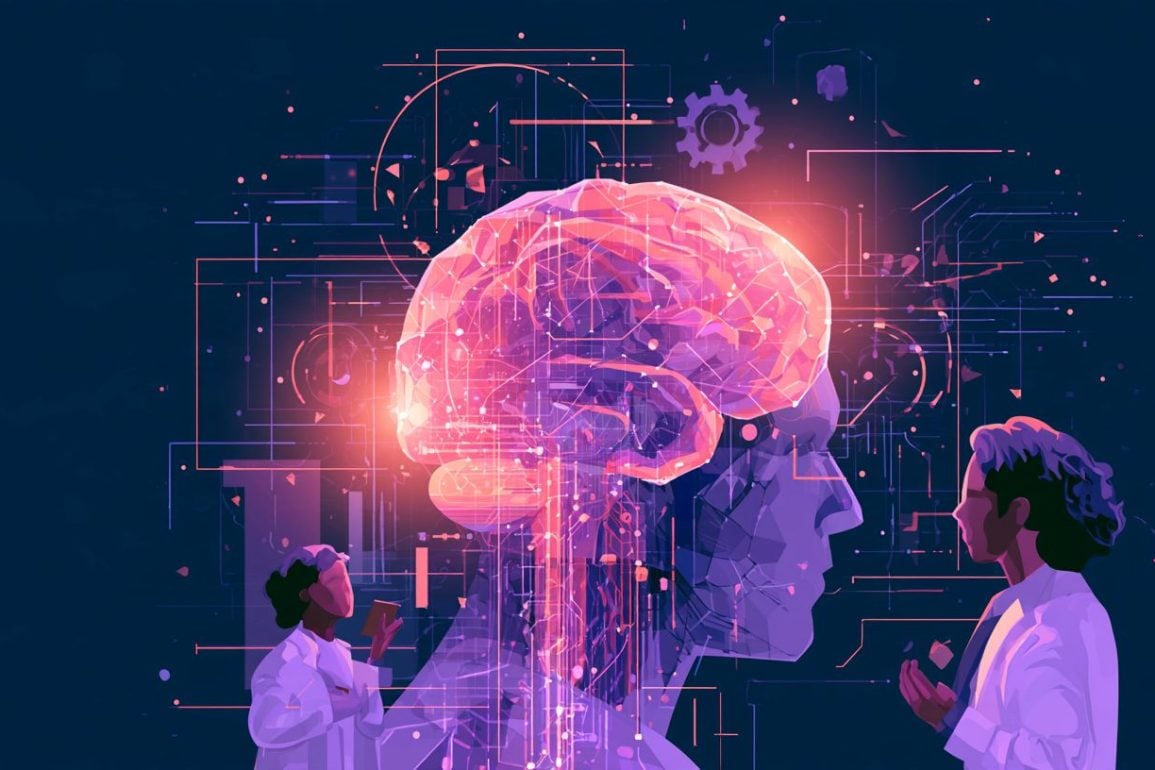 Are chatbots becoming informal therapists? A new study reveals that nearly half of adults experiencing severe psychological distress turn to generative AI tools for emotional support, raising urgent questions about clini...
Breathing Thin Air May Protect Against Parkinsons
Neuroscience News - 28 Oct 2026 17:10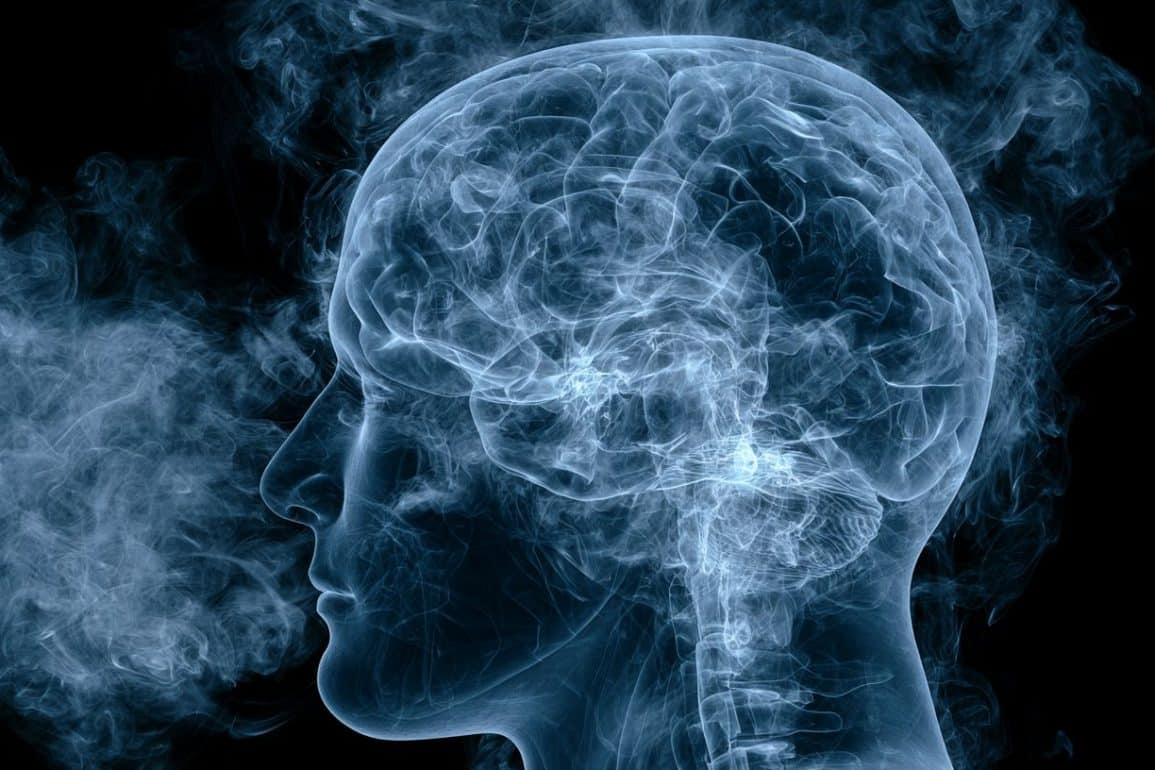 Can breathing thin mountain air help Parkinson's patients? Researchers demonstrated that 39 minutes of controlled intermittent hypoxia safely lowers stress hormones, raises anti-inflammatory adiponectin, and protects...
Developing Fetal Brain Weeds Out Genetically Flawed Neurons
Neuroscience News - 28 Oct 2026 16:45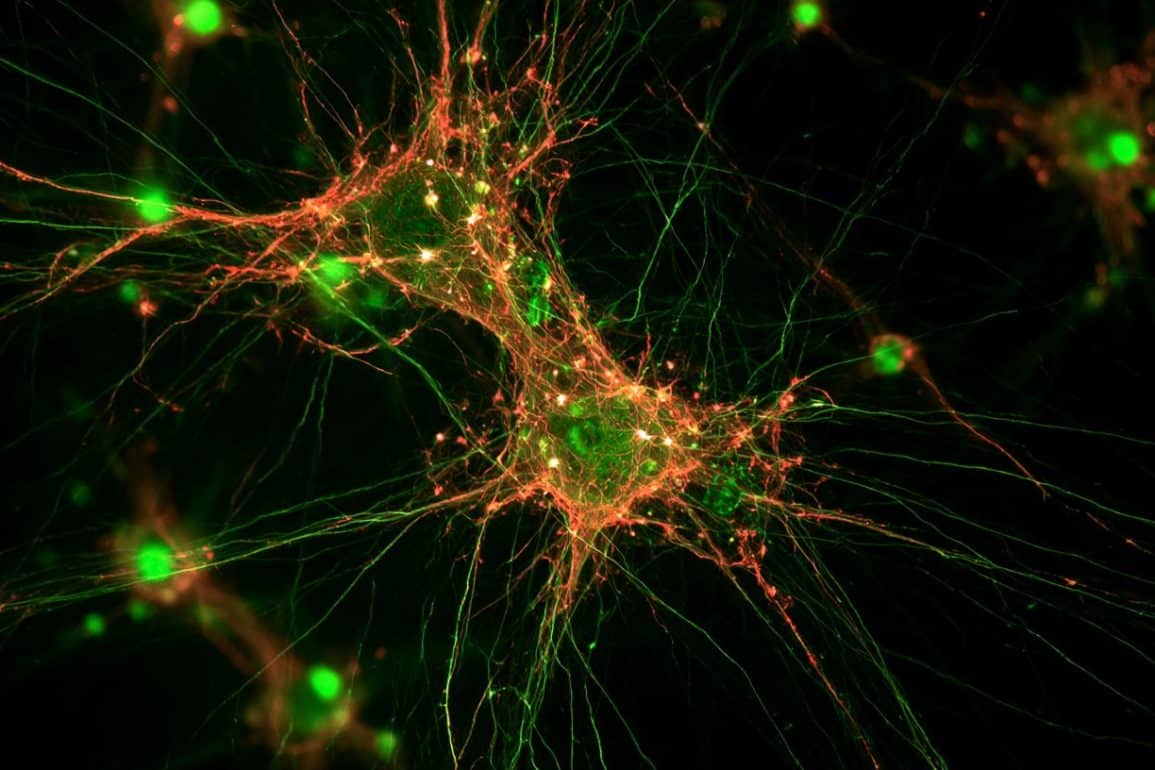 Why does the prenatal brain overproduce millions of neurons only to eliminate them? A landmark Nature study led by Harvard Medical School and Boston Childrens Hospital shows that the developing brain uses competitive syn...
Brain Scans Fail to Predict How Well Individuals Regulate Emotions
Neuroscience News - 28 Oct 2026 16:25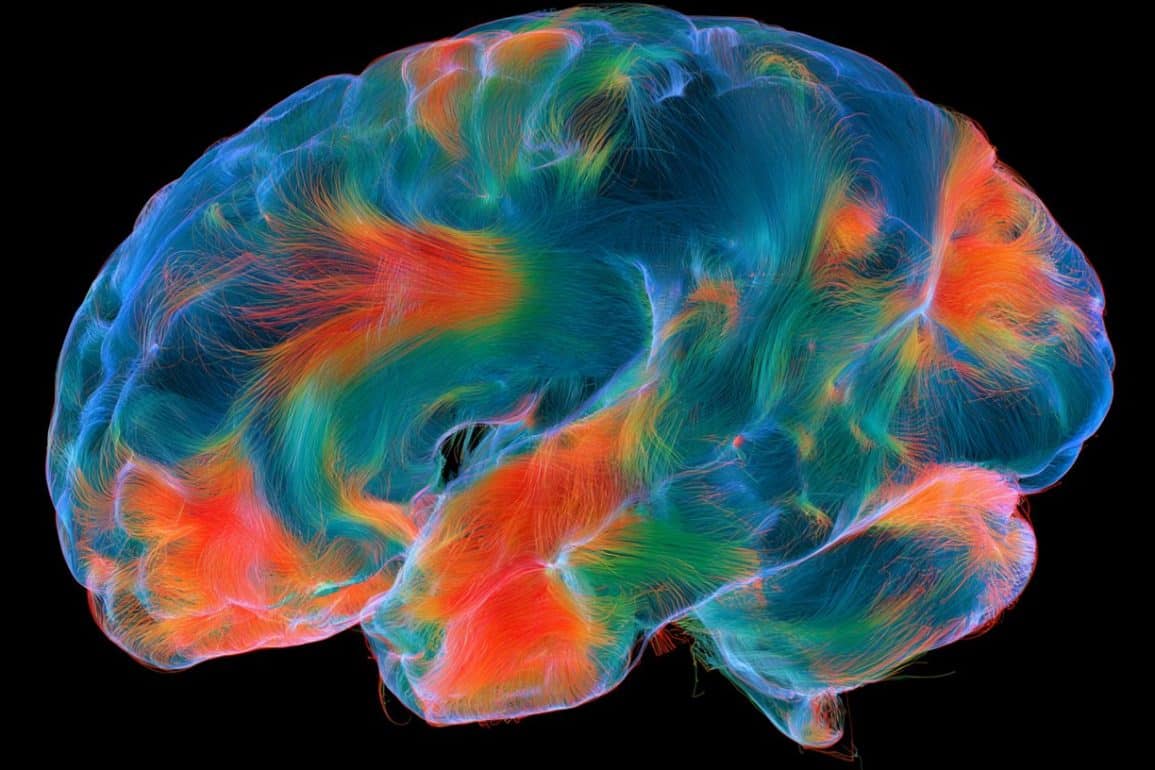 A 2,175-person study led by CIMH reveals prefrontal cortex activation does not reflect how well an individual regulates emotions via cognitive reappraisal.
IBD may transform neurons in the gut, triggering pain even when inflammation is under control
Live Science - 28 Oct 2026 16:05 A new study with data from mice and human tissues suggests that, in ulcerative colitis, immune cells in the gut might make pain-sensing nerves hypersensitive.
CTE Affected 75% of Deceased NFL Veterans
Neuroscience News - 28 Oct 2026 16:03 How common is CTE among professional football players? A new study corrects for brain donation selection bias, estimating that 74.5% of all NFL players who died between 2008 and 2023 had chronic traumatic encephalopathy....
 Global
 Great Britain
 Indian
 South Africa